Elysium
As of October 30, 2025, real-time billionaire trackers put a tech-heavy cohort at the top: Elon Musk, Larry Ellison, Mark Zuckerberg, Jeff Bezos, Larry Page, Sergey Brin, Steve Ballmer, Bernard Arnault, Jensen Huang, and Michael Dell. These are the 10 Richest People in the World Today. The precise order can wiggle during market hours, but Bloomberg’s Billionaires Index and Forbes’ real-time list converge on this top-ten roster—and on a single truth: AI and cloud profits are rewriting what luxury looks like in 2025.
This year alone, the top 10 added ~$500B+ in collective wealth—more than the market caps of household-name blue chips—on the back of AI infrastructure, platform monetization, and resilient enterprise software. That windfall doesn’t just buy yachts; it reshapes the luxury supply chain, design language, and access economy.
Elon Musk — Tesla • SpaceX • xAI

Short origin story: After exits in online payments, Musk went all-in on physics-first businesses—EVs, rockets, and now frontier AI.
Why he tops lists today: Surging private-market marks for SpaceX/xAI and renewed Tesla momentum pushed his fortune to an unprecedented range; multiple outlets reported he became the first person to touch $500B in net worth this month.
Luxury impact: Musk reframed luxury as front-row access to the future—plaid-level EVs, private launch windows, and the social currency of being an early adopter.
Larry Ellison — Oracle
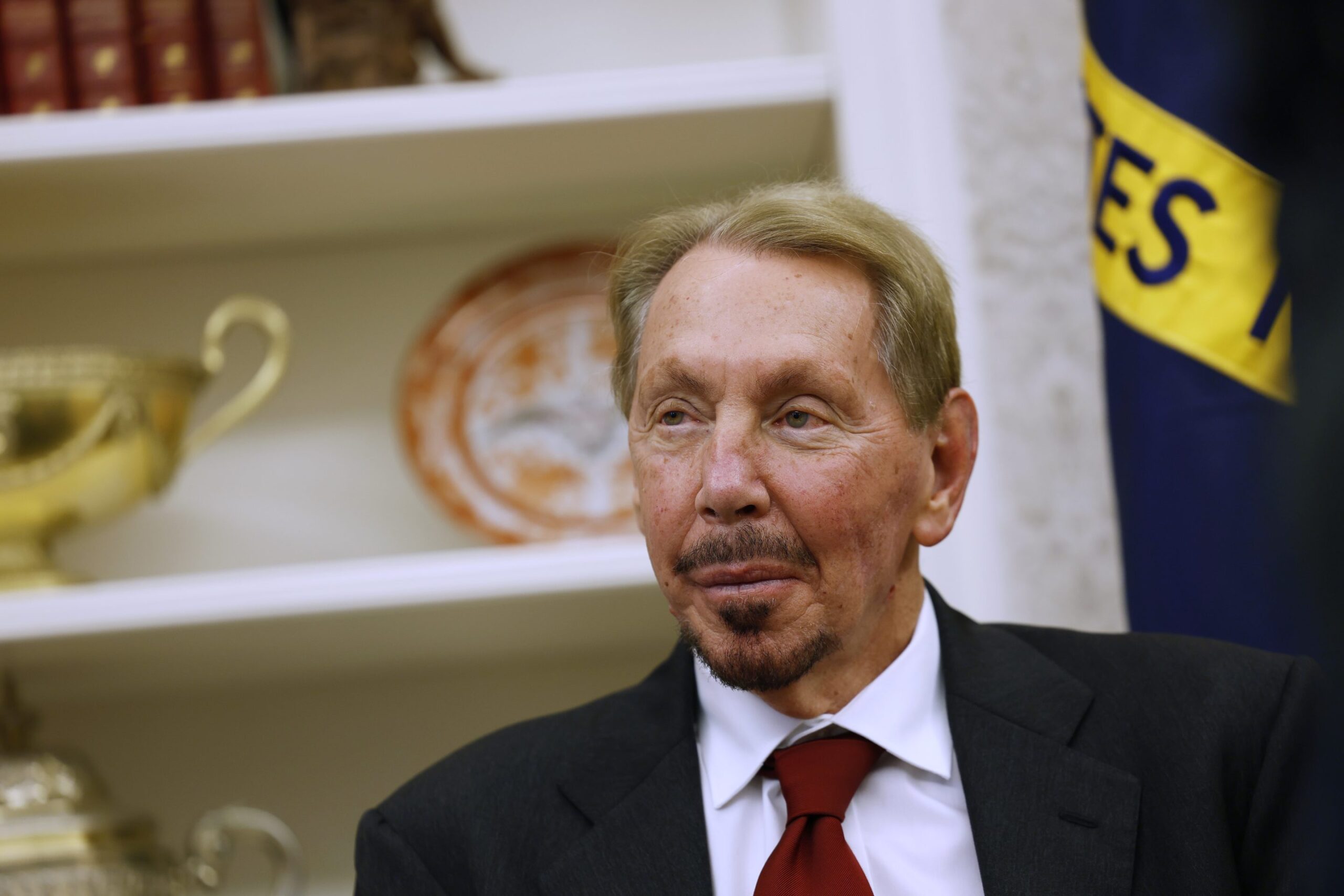
Short origin story: The database maverick built Oracle into an enterprise cash engine and pivoted hard into cloud+AI.
Why he’s neck-and-neck for #1: In September, Oracle’s AI narrative ignited a record one-day wealth jump for Ellison, briefly making him the world’s richest before the tape settled—an emblem of the AI wealth rerate.
Luxury impact: Ellison codifies billionaire leisure as brand strategy—from island estates to elite sport—showing how enterprise software bankrolls experiential luxury.
Mark Zuckerberg — Meta

Short origin story: Built the world’s default social graph, then re-tooled for AI-driven engagement and spatial computing.
Why he’s entrenched in the top tier: Ads rebounded, AI improved content discovery, and Reality Labs keeps optionality alive.
Luxury impact: Meta monetizes the luxury of access—private digital rooms, creator economies, and influence markets where attention is the scarce commodity.
Jeff Bezos — Amazon

Short origin story: From a garage bookstore to the backbone of online retail, cloud, and logistics.
Why he remains a permanent fixture: Diversified engines (AWS, ads, marketplace) keep compounding—even as he builds space and media assets in parallel.
Luxury impact: Explorer chic goes mainstream – superyachts and spaceflight recast billionaire conspicuous consumption as narratives of ambition.
Larry Page — Alphabet (Google)
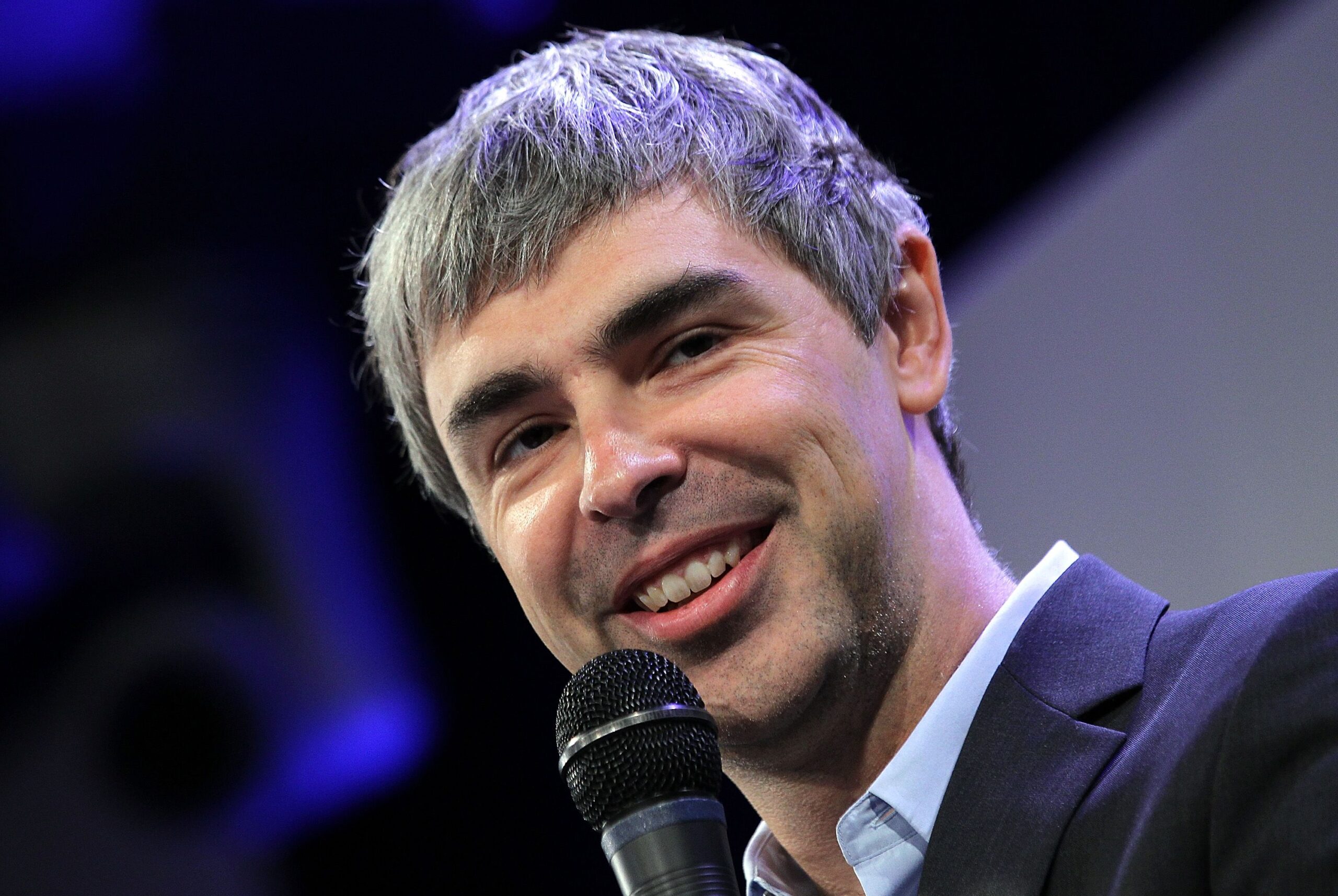
Short origin story: Search co-architect who shifted from public CEO life to private-market science bets, retaining concentrated Alphabet exposure.
Why he’s here now: Alphabet’s late-2025 AI momentum re-rated cofounder fortunes; Page’s wealth inflected sharply higher in October roundups.
Luxury impact: The template for quiet luxury at scale—ultra-private ecoluxe compounds, aviation, and long-horizon moonshots.
Sergey Brin — Alphabet (Google)
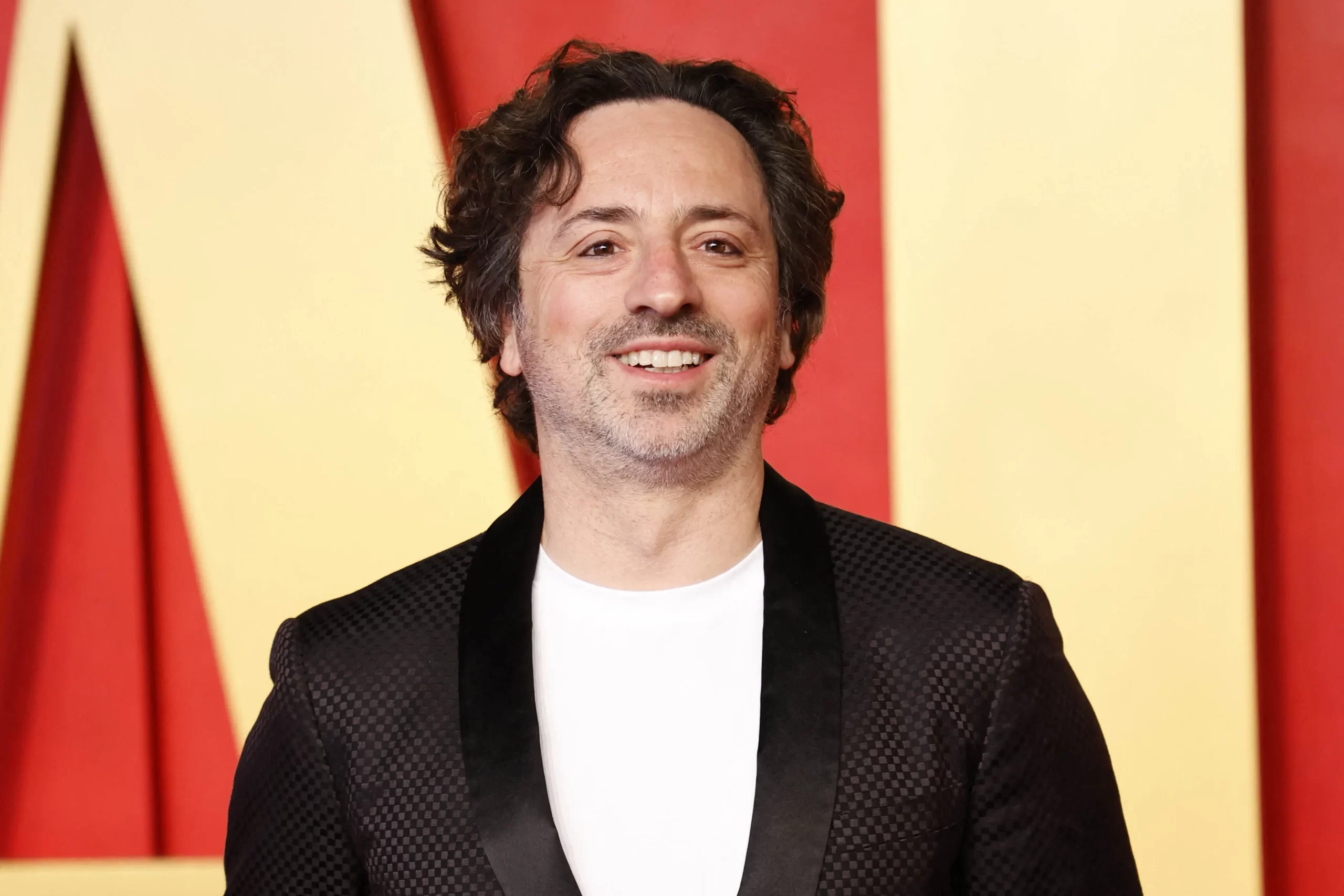
Short origin story: Co-founder turned lab-backer, with super-voting control and a taste for deep tech.
Why he’s tracking with Page: Alphabet’s AI uplift and steady buybacks raised both cofounders’ tides.
Luxury impact: Time-rich problem solving as the new collectible—funding projects that blend philanthropy, aviation, and frontier research.
Steve Ballmer — Microsoft (ex-CEO)

Short origin story: Operator DNA; stewarded Microsoft through the enterprise pivot and held a massive stake through the cloud renaissance.
Why he’s resilient in the top 10: The Azure-AI flywheel and Satya Nadella era created generational compounding for legacy holders.
Luxury impact: Civic luxury—arenas, teams, and cultural assets—turning private wealth into public legacy.
Bernard Arnault — LVMH

Short origin story: Consolidated maisons into the world’s largest luxury group, mastering scarcity, heritage, and price power.
Why he still defines the category: Even in tech-led markets, LVMH is the benchmark for desirability economics.
Luxury impact: He manufactures desire—from couture to fine watches—setting reference prices for the entire sector.
Jensen Huang — NVIDIA
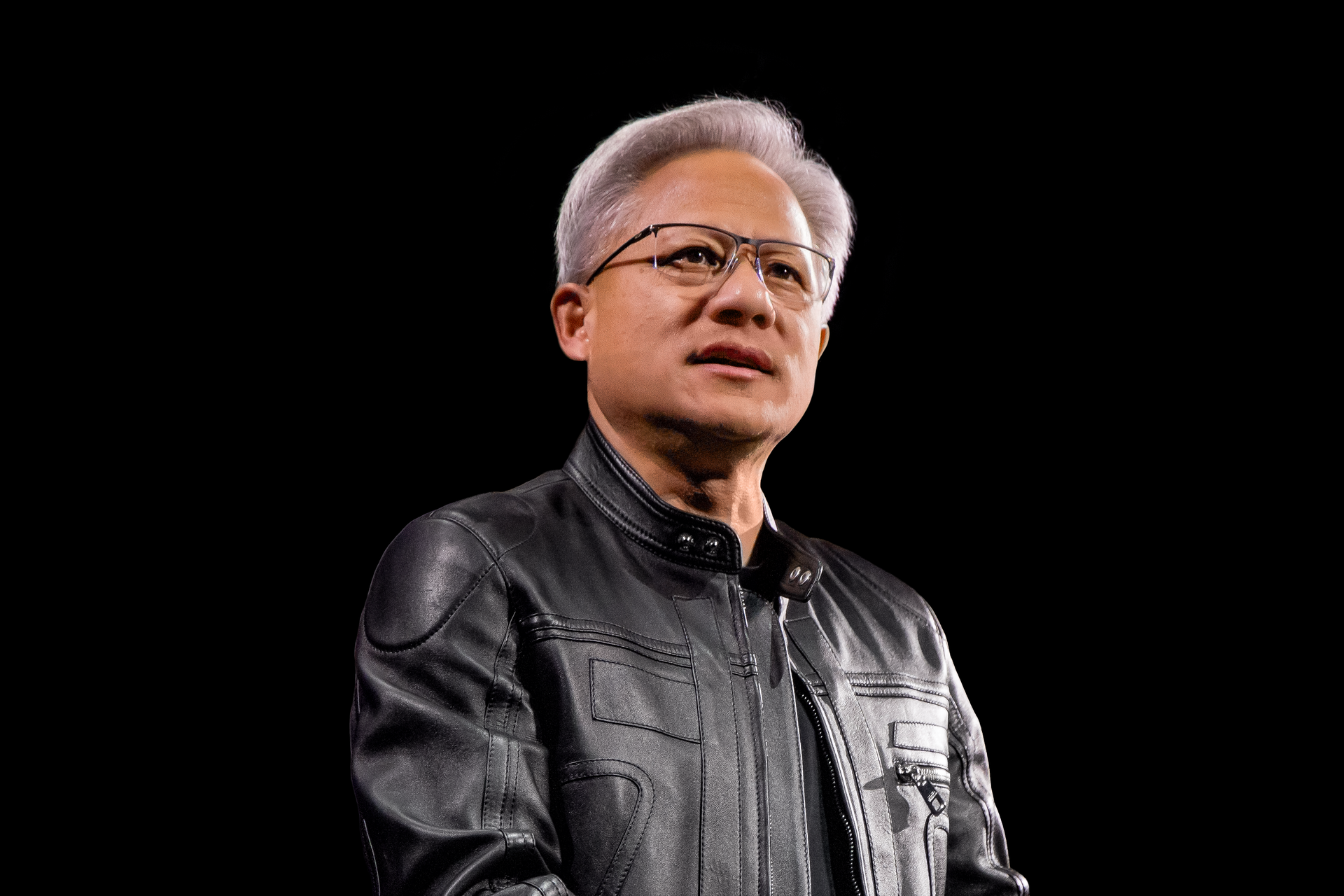
Short origin story: Gamers’ GPUs became the picks-and-shovels of AI, transforming NVDA into the market’s most critical supplier.
Why he’s vaulted into the elite: Data-center demand, developer lock-in, and an ecosystem moat make compute the era’s hardest luxury.
Luxury impact: Silicon as the new silk—the premium experience is now measured in milliseconds and FLOPS.
Michael Dell — Dell Technologies • MSD
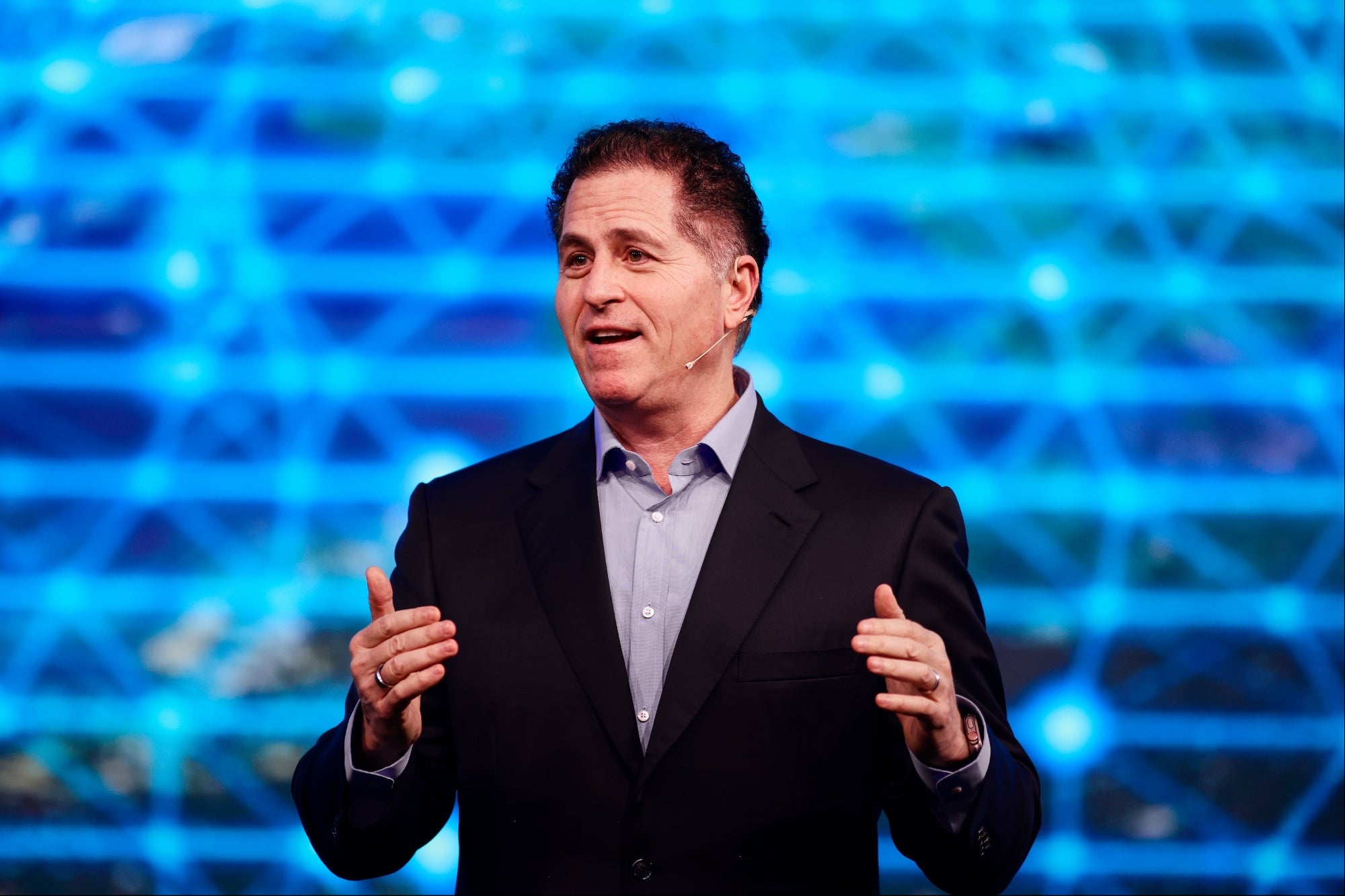
Short origin story: Teen PC tinkerer to a take-private maestro, then a quiet titan of infrastructure and private markets.
Why he rounds out the 10: Disciplined compounding in PCs, servers, and a savvy family office playbook.
Luxury impact: Low-noise, high-signal ownership of trophy assets and deals—status without spectacle.
The 2025 Wealth Engine: Why Tech Fortunes Drive Luxury’s Next Decade
AI → Equity Multiples: The single biggest tailwind in 2025 has been AI. As hyperscalers, chipmakers, and enterprise stacks rerate, founders’ net worths spike. That’s how you get a top-ten adding $523B YTD—money that immediately chases time, privacy, and narrative.
Spectacle vs. Silence: Musk and Ellison normalize spectacle-as-strategy (rockets, megayachts, island masterplans). Arnault proves that silence, heritage, and scarcity still compound faster than hype cycles. Both models win—because both manufacture myth.
Access Is the Ultimate Luxury: From Paddock Club to invite-only platforms, the UHNW consumer buys first looks, fewer frictions, and more privacy. The product isn’t just an object; it’s the calendar (who gets early access), the context (who else is in the room), and the content (how it plays online).
How the Top 10 Are Rewiring Luxury Right Now
- Yachts as R&D labs: Sustainability packages, autonomy pilots, and AI concierge stacks onboard.
- Homes as micro-resorts: Contextual lighting, security that fades into the walls, and wellness architecture.
- Aviation & Space: From Gulfstreams to orbital tourism—space is the ultimate private members’ club.
- Philanthropy 2.0: Museum wings and university institutes as brand equity and deal flow.
- Private markets as taste: Family offices using art, sports, and land as uncorrelated, status-laden assets.
Are the “10 richest people in the world today” numbers real?
Yes—with asterisks. They’re real-time snapshots. This month alone:
- Musk was widely reported as the first to touch $500B in net worth.
- Ellison logged a record one-day wealth jump and briefly topped the global list as Oracle’s AI story caught fire.
- Bloomberg’s index and Forbes’ live ranking both show the same cast of characters in the top 10—even as intra-day moves shuffle positions.
Sources
- Bloomberg Billionaires Index (daily live ranking).
- Forbes Real-Time Billionaires (live list).
- Business Insider: Top-10 wealth up ~$523B in 2025 on AI boom.
- Reuters: Musk becomes first to hit $500B net worth (Oct 2025).
- Forbes / Sept 10, 2025: Ellison’s record single-day surge.
Bottom Line (Elysium987 POV)
Luxury is converging with frontier tech and permissioned access. If you build products that save time, extend privacy, and tell a story worth sharing, you’ll capture the most important customer of the 2026s: the AI-rich buyer.
If you want, I’ll convert this into a WordPress block layout with internal links (e.g., LVMH, NVIDIA, Tesla tag pages), add image alt text, and wire a sidebar “Luxury Signals” widget for stickier engagement.