Elysium
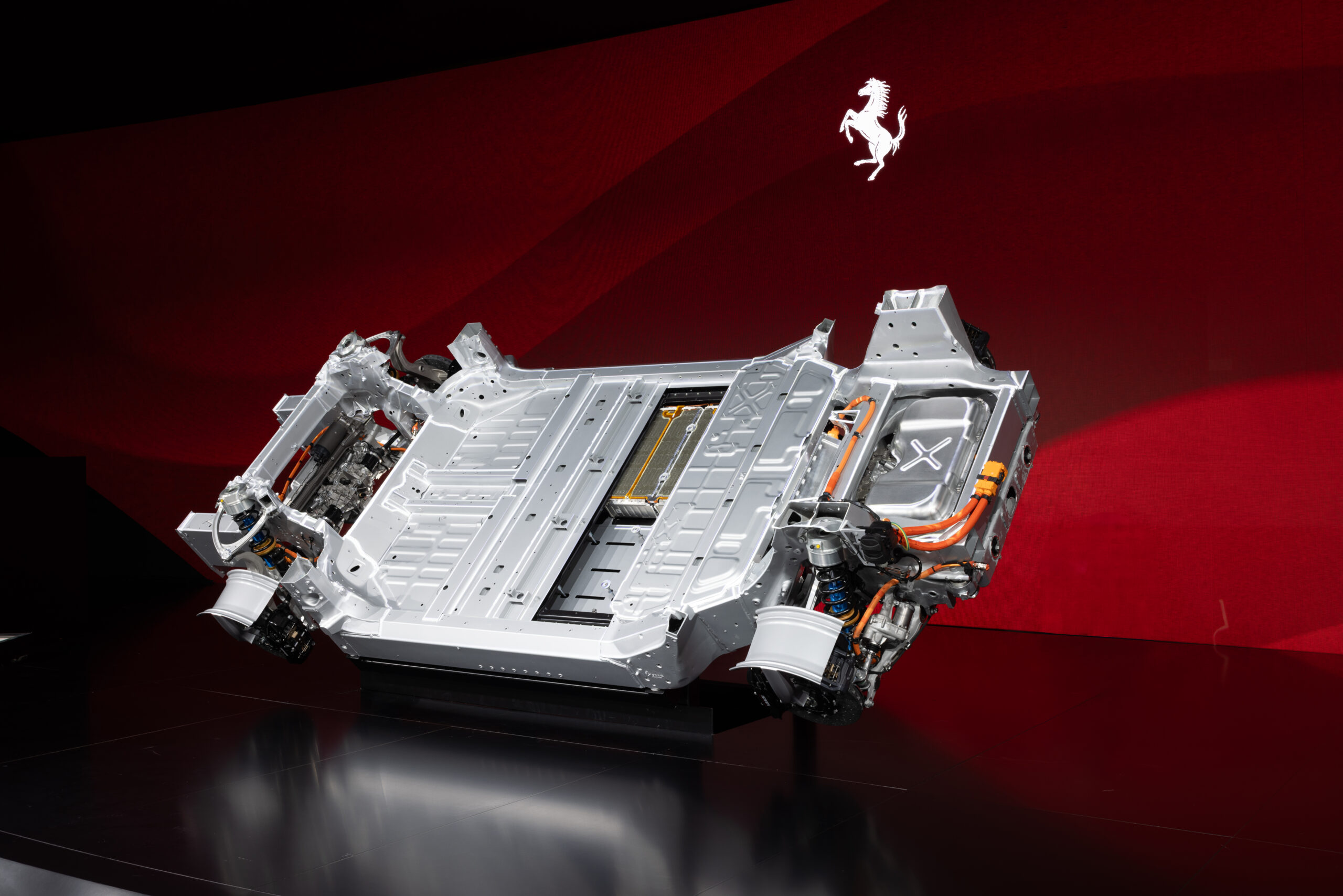
Ferrari today used its Capital Markets Day 2025 to unveil the production-ready chassis and core systems of its first fully electric car — the Ferrari Elettrica. This marks the boldest step yet in the brand’s multi-energy roadmap, uniting internal combustion, hybrid, and pure electric architectures under one emotional and performance-driven DNA.
A Strategic Shift, Not a Departure
Ferrari frames this launch not as a pivot away from combustion, but as a necessary evolution — introducing full electric power only when performance, feel, and heritage can be met. Over 60 patented solutions now form Elettrica’s backbone, and every major component is being developed in-house at Maranello to preserve craftsmanship, integration quality, and exclusivity.
Engineering & Architecture: Integration Above All
Chassis & Structure
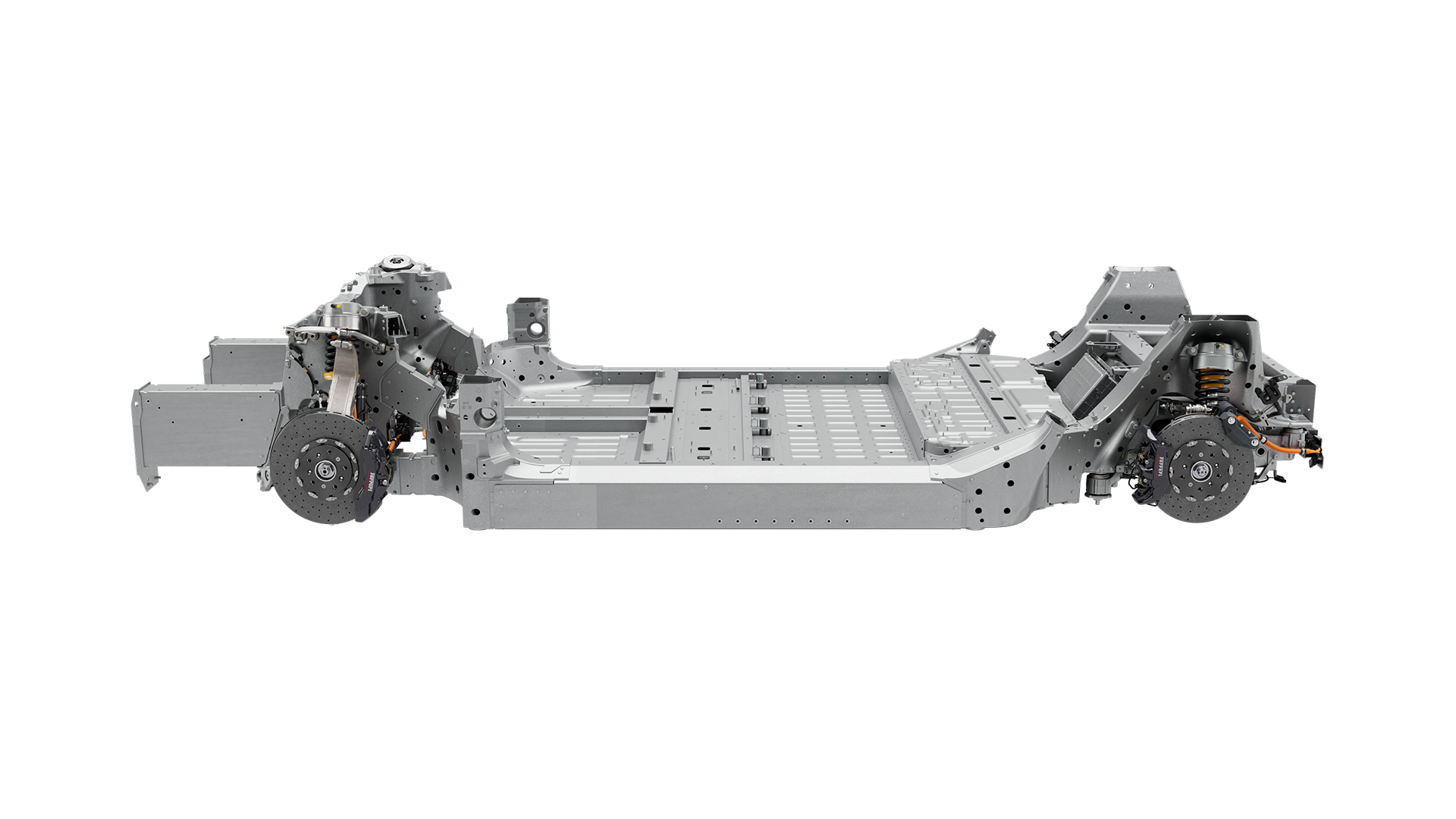
- The chassis layout features short overhangs and a cockpit positioned close to the front axle, borrowing inspiration from Ferrari’s mid- and rear-engine berlinettas to maximize driver feedback and handling agility.
- The battery pack is fully integrated into the floor, forming part of the load-bearing structure rather than a bolt-on block. This delivers weight savings and structural stiffness.
- Crashworthiness is handled innovatively: front shock towers double as energy absorbers, and the battery modules are protected via crumple zones and sills designed to take impact loads.
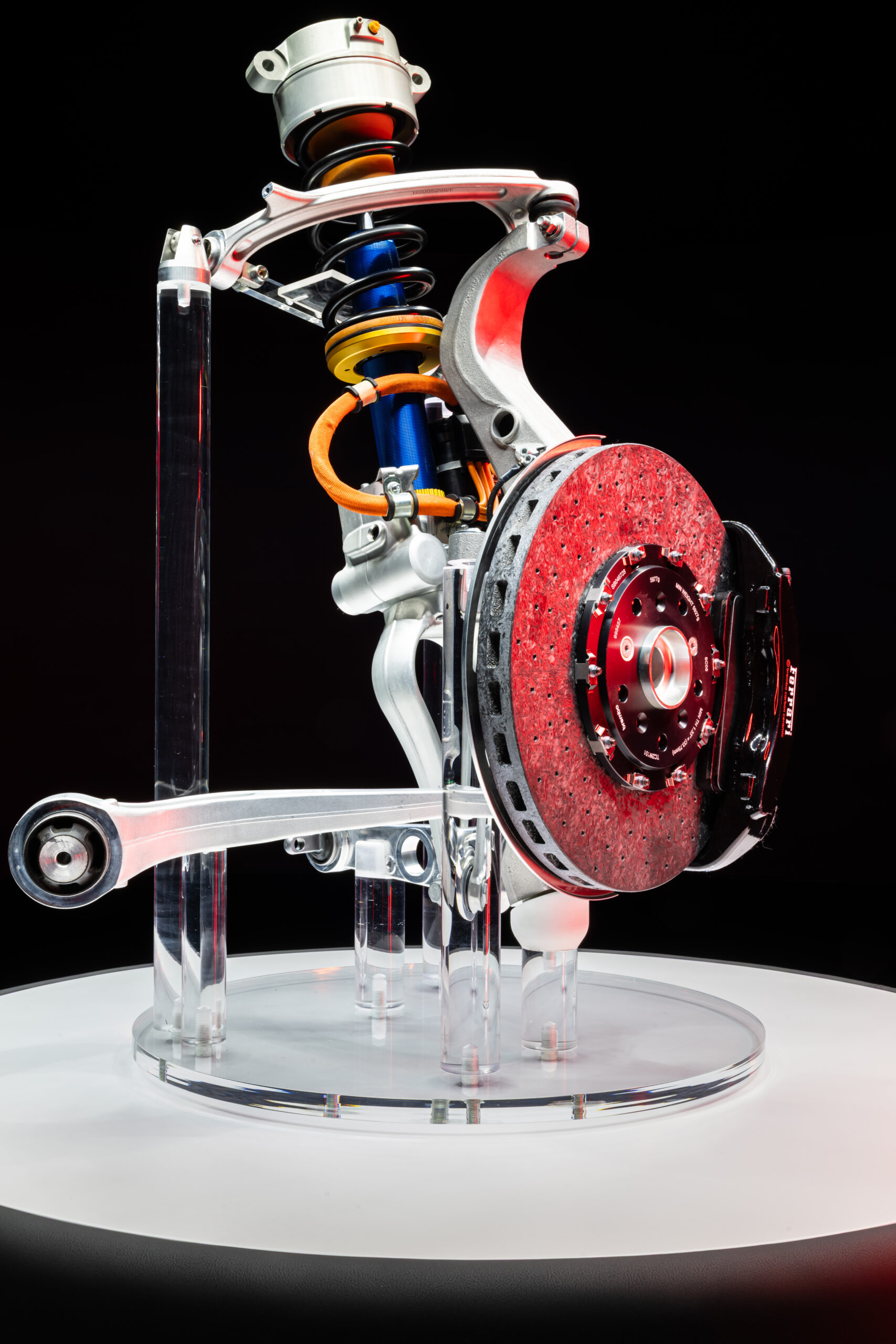
- Ferrari has developed a first-ever elasticised subframe for the rear, which isolates vibration and noise without sacrificing stiffness under lateral loads. It’s claimed to add only a few kilos relative to a rigid design.
E-Axles & Electric Motors
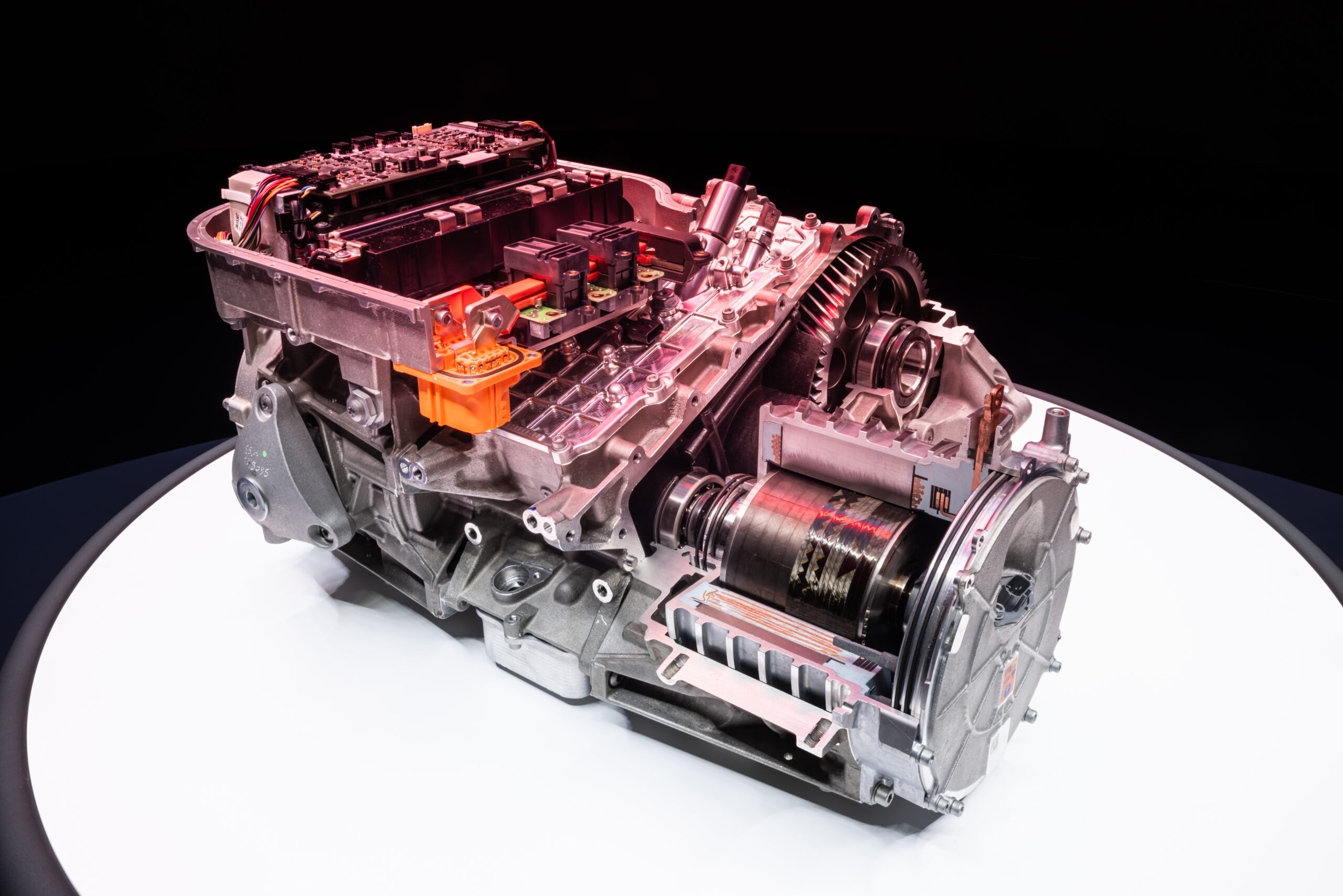
- Each axle is driven by two synchronous permanent magnet motors (i.e., quad-motor architecture), enabling full torque vectoring.
- The front axle achieves ~210 kW power, and can be decoupled (i.e., disengaged) to run in pure rear-drive mode for efficiency.
- The rear axle is the powerhouse, rated for ~620 kW (or >1000 cv in boost modes in combined output).
- Efficiency is high: both axles target ~93 % peak efficiency.
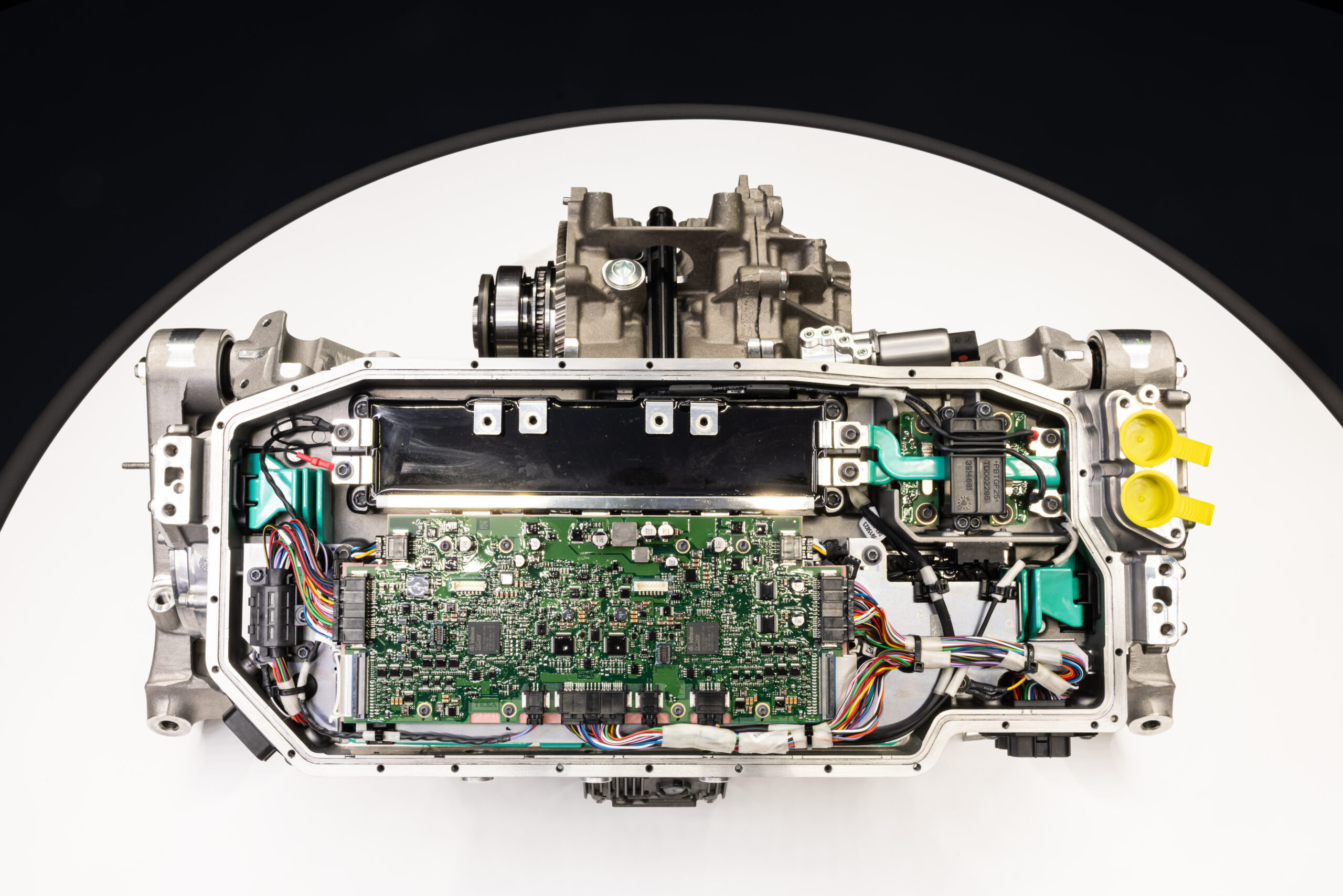
- Ferrari integrates inverters, lubrication, and cooling into the axle assemblies to reduce weight and improve packaging.
Battery & Energy System
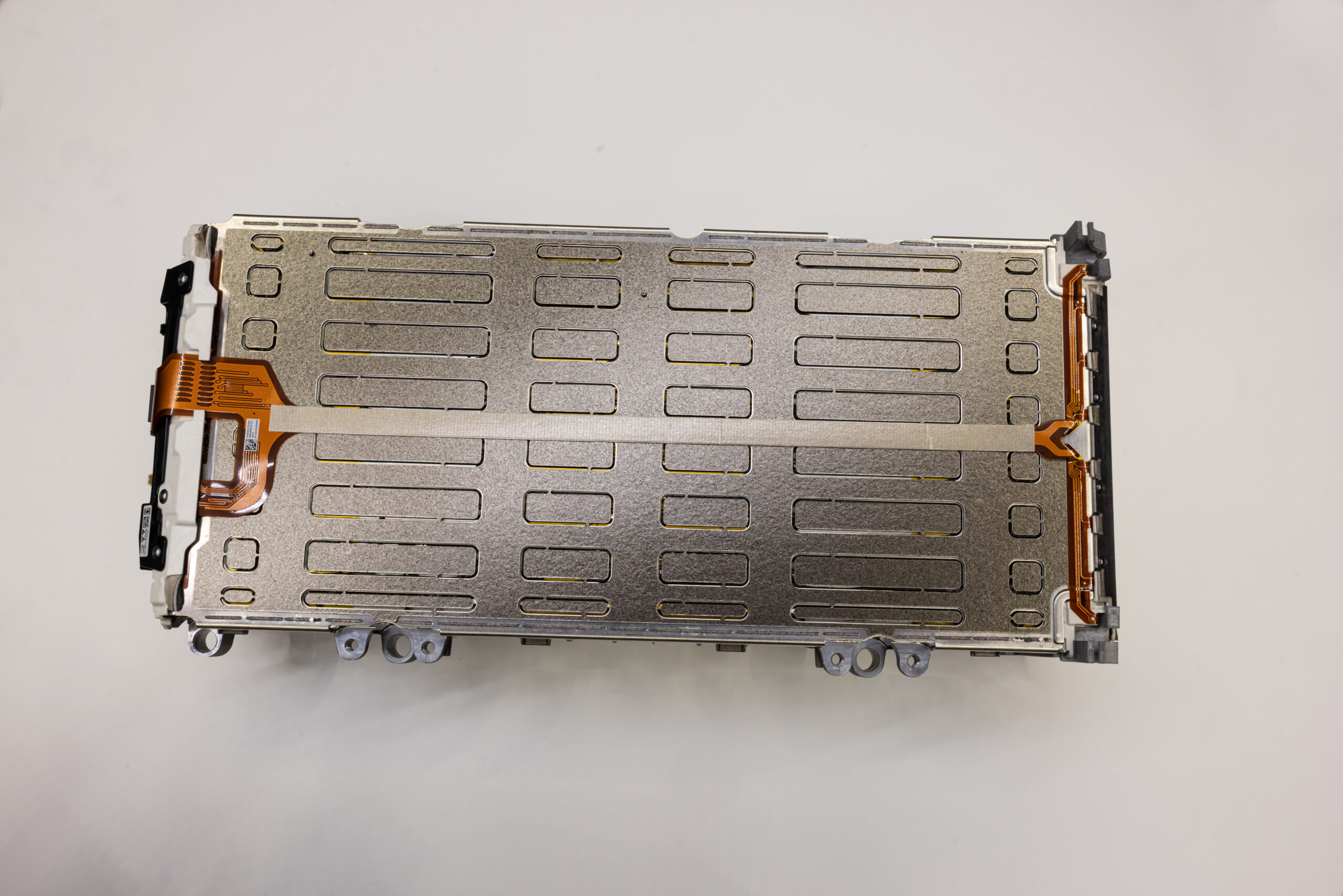
- The battery is engineered in-house, with an energy density of ~195 Wh/kg — claimed to be the best in class.
- It operates at ~800 to 880 V and is composed of 15 modules (210 cells in series).
- Cooling is achieved via multi-plate integration and internal fluid channels; thermal management is tightly coupled to the chassis.
- The battery is designed to be repairable and modular: individual modules or electronics can be serviced or replaced.
Control, Modes & Feel
- Three driving modes — Range, Tour, Performance — govern how energy, traction, and torque are apportioned between axles.
- Drivers engage five torque/power levels via paddle shifts, creating a sensation of progressive power delivery and drama.
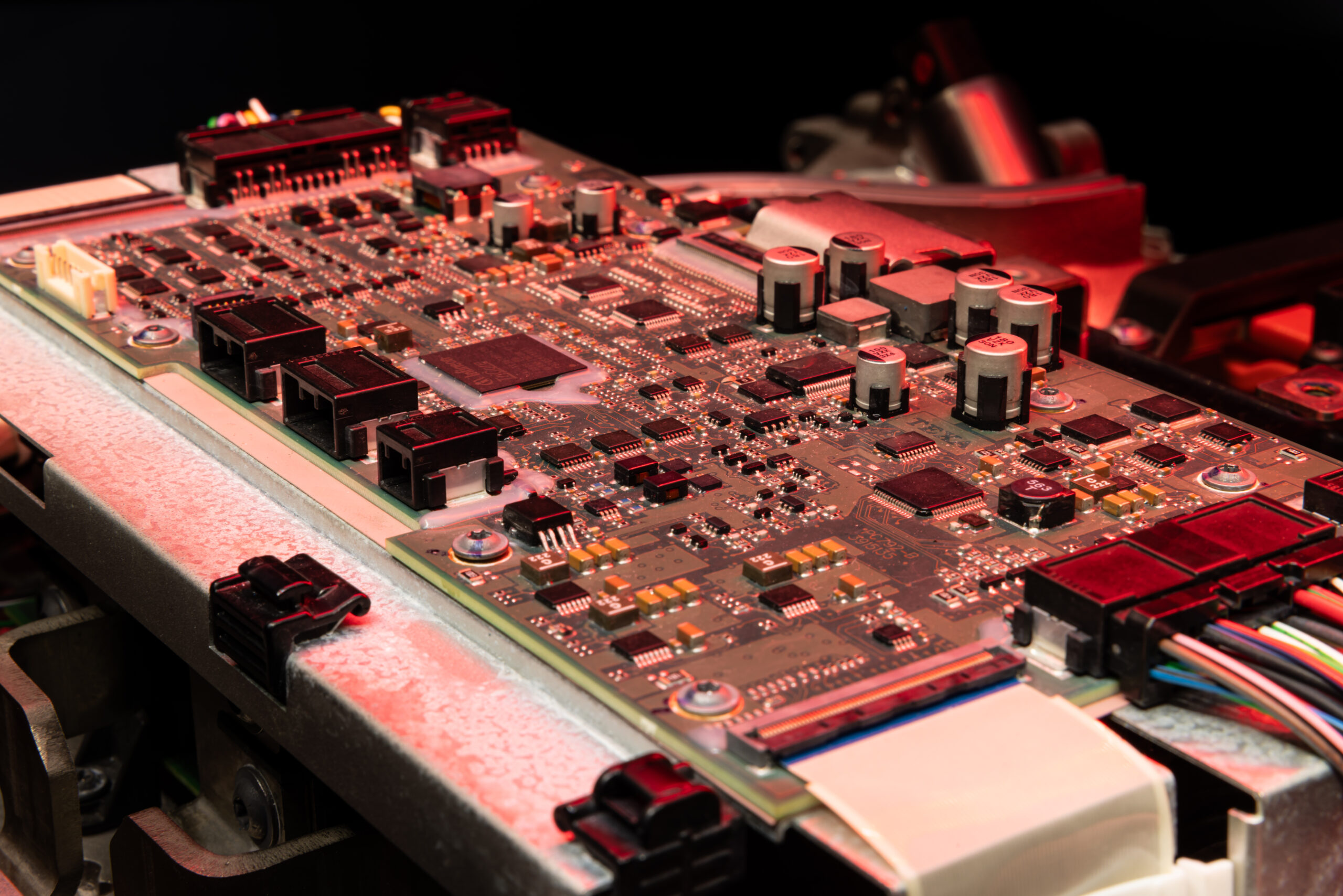
- The vehicle control unit processes data 200 times per second to coordinate suspension, traction, steering, and torque vectoring.
- Sound design is unique: rather than simulate an internal combustion sound, Ferrari uses a high-precision accelerometer to sense real mechanical vibrations in the drivetrain and amplify them for the cabin — akin to how a guitar pickup amplifies string vibration.


Performance Figures & Specifications (Pre-Production)
These numbers place the Elettrica among the most aggressive performance EVs announced so far — blending Ferrari’s dynamic ambitions with electric credibility.
Ferrari Elettrica – Branding, Strategy & Market Positioning
- Ferrari’s approach is cautious: the electric model will debut in spring 2026, with full launch to follow.
- The brand has scaled back its EV ambitions: by 2030, only ~20 % of Ferrari’s lineup will be fully electric, shifting from an earlier target of 40 %. Petrol and hybrid models still play a central role.
- All key EV technologies (battery, e-axles, inverters) are being brought in-house under Ferrari’s “e-building” R&D hub, ensuring vertical integration, secrecy, and engineering control.
- The use of 75 % recycled aluminum for the chassis and body contributes to an estimated CO₂ savings of ~6.7 tons per vehicle.
Ferrari intends for the Elettrica to deliver not just specs, but an emotional and sensory connection — preserving the brand’s soul in a new technical era.