Elysium
Bentley Mulliner’s Dutch Masters Collection turns Rembrandt, Vermeer, and Van Gogh into three one-off Continental GT masterpieces. Discover them on Elysium987.

Bentley has never been shy about blurring the line between car and collectible object. But with the new Dutch Masters Collection, Mulliner takes that philosophy into fine-art territory: three one-off Bentley Continental GTs, each inspired by a different Dutch master—Rembrandt, Vermeer, and Van Gogh—unveiled inside Amsterdam’s legendary Rijksmuseum.
For one evening, the museum’s Gallery of Honour—normally a quiet corridor for contemplating The Night Watch and other icons—became a stage for automotive sculpture. Over 200 guests from Bentley Leusden, Rotterdam, and Maastricht attended a private virtual preview and gala dinner, with the three cars displayed beneath the very masterpieces that inspired them.
This is not a numbered series. There is one Rembrandt, one Vermeer, one Van Gogh. Three commissions, three collectors, and an exact message from Bentley: bespoke luxury in 2025 is about culture, narrative, and craft, not just horsepower.
A New Chapter in Mulliner’s “Automotive Patronage”
Mulliner, Bentley’s in-house coachbuilding and commissioning division, has been quietly repositioning itself as a kind of modern patron of the arts. From limited Bacalar and Batur projects to haute-couture interiors, the program is about translating a client’s vision into metal, leather, and light.
The Dutch Masters Collection takes that idea further: rather than taking cues from a client’s lifestyle, the design team drew directly from the Dutch Golden Age and Post-Impressionism, studying colour palettes, brushwork, light, and symbolism to create three distinct design languages within the same Continental GT platform.
Each car features:
- A unique exterior finish and pinstriping are tied to a specific painting.
- Bespoke interior hides and veneers, colour-matched to key elements of the artwork.
- Custom welcome lamp animations project a motif from the canvas onto the pavement.
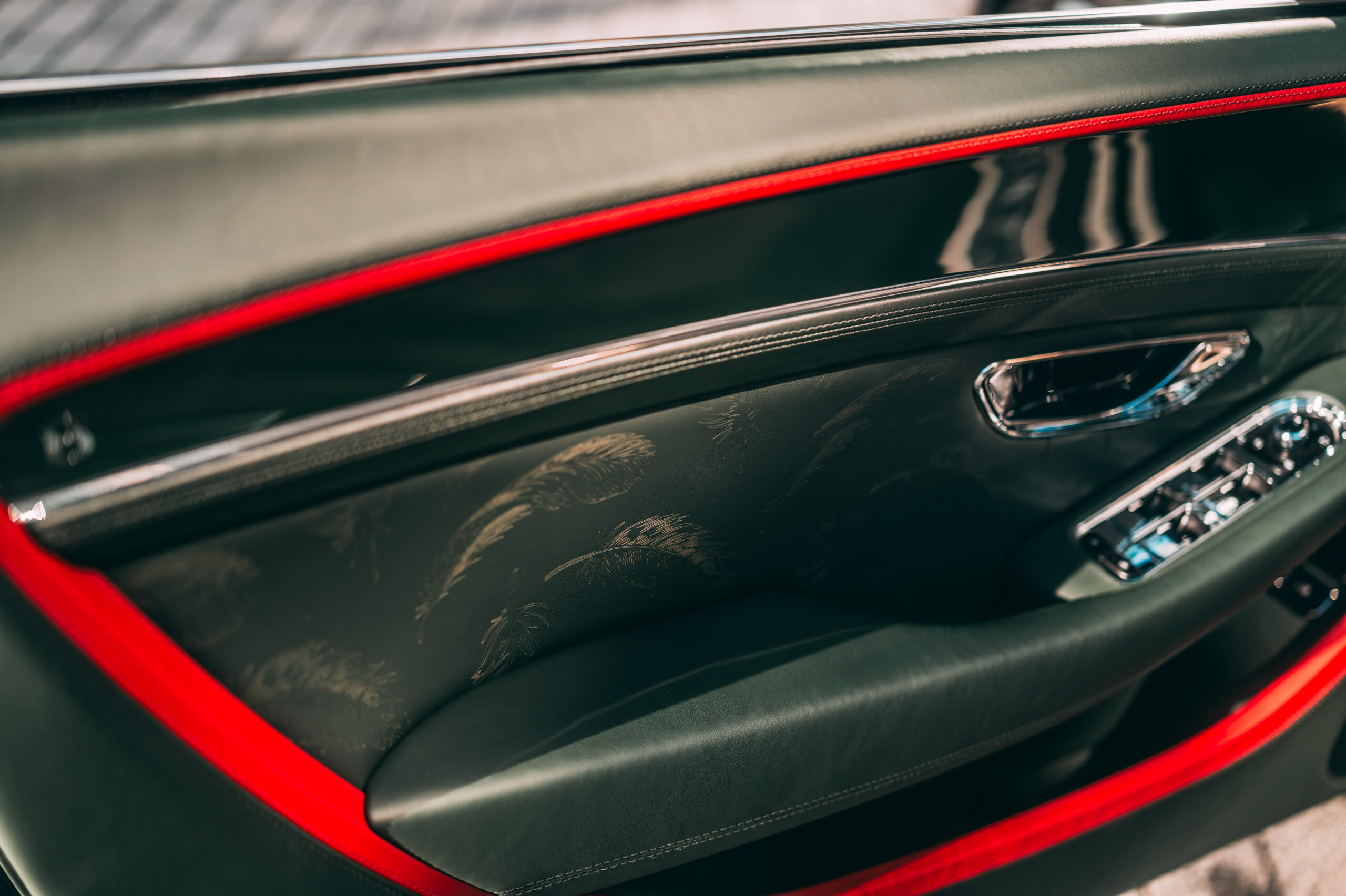
- Laser-etched door panels that literally “quote” the original art in line form.
- Full Blackline and Touring specifications, wellness seating, mood lighting, diamond knurling, Bentley Rotating Display, and a Naim for Bentley sound system.
The result is a trio of cars that don’t just wear art—they behave like curated installations that happen to move.
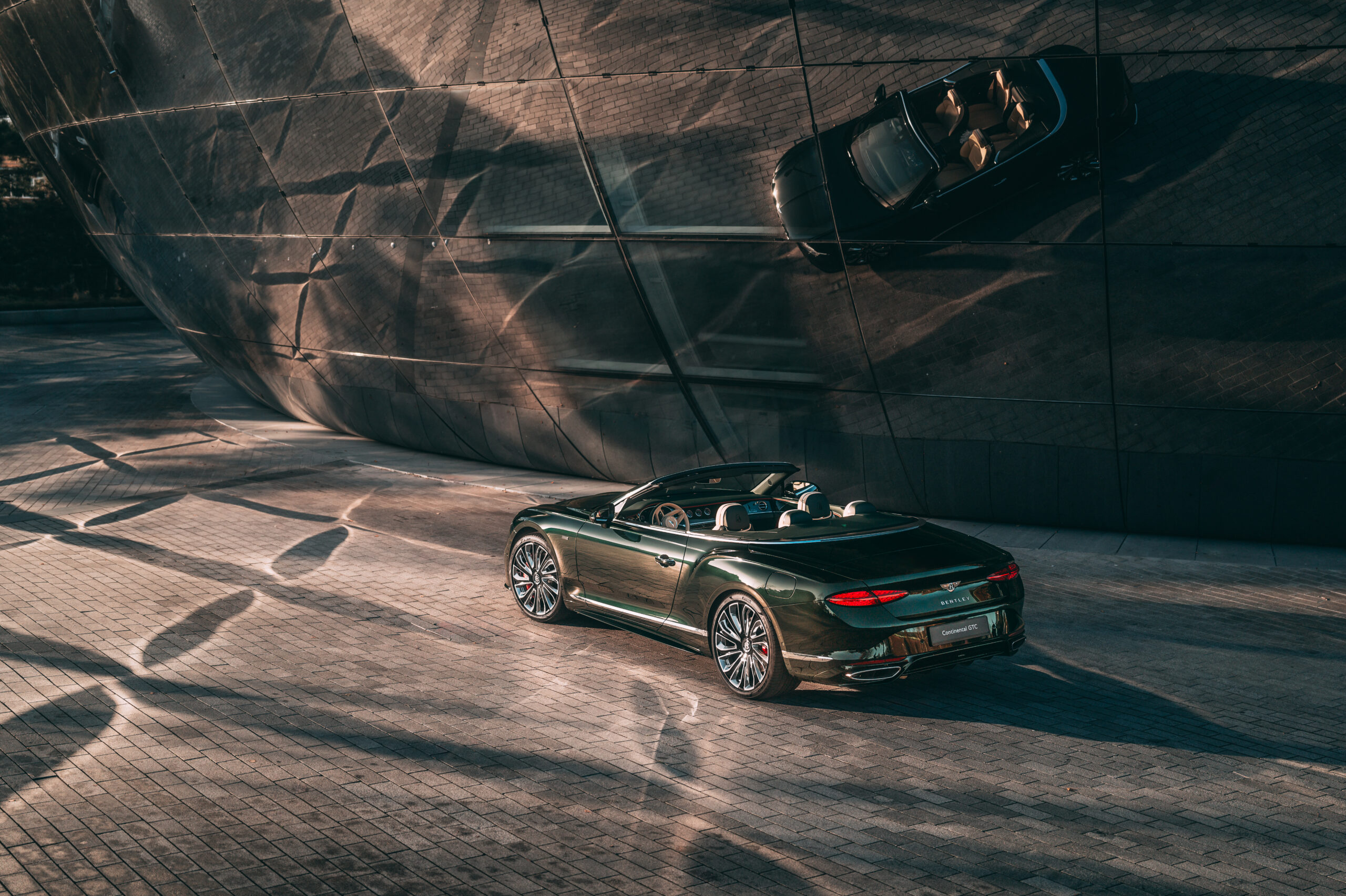
Rembrandt: Midnight Emerald Drama Inspired by The Night Watch
The first car in the collection pays homage to Rembrandt van Rijn’s 1642 masterpiece The Night Watch. Mulliner chose the Continental GT Convertible as the canvas, a nod to the theatricality of driving with the roof down in a car that plays with light and shadow as strongly as the original painting.
Exterior: A Stage Lit in Midnight Emerald
- Paint: Deep Midnight Emerald finish, evoking the dark, cinematic tonality of The Night Watch.
- Blackline specification strips away bright chrome, replacing it with gloss black for a more dramatic silhouette.
- Body-coloured styling kit reinforces the impression of a single sculpted form rather than separate add-ons.
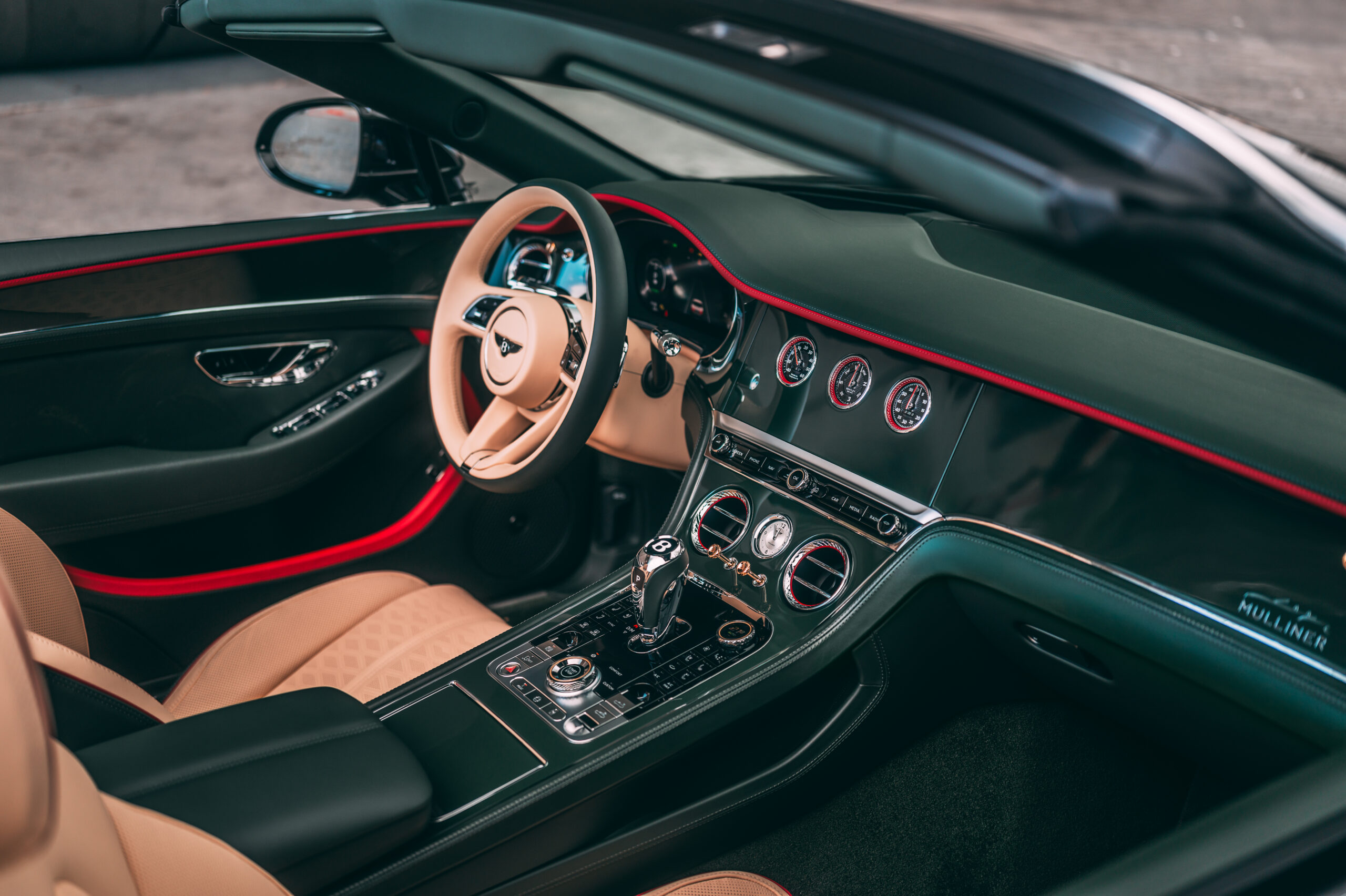
Interior: Magnolia, Cumbrian Green, and a Flash of Red

Inside, Mulliner lifts colours directly from the painting’s central figures:
- Magnolia’s main hide echoes the lieutenant’s pale coat.
- Cumbrian Green secondary hide layers in the depth of the surrounding uniforms.
- Hotspur Red accent hide references the iconic red sash of Captain Frans Banninck Cocq, slicing through the cabin like a brushstroke of colour.
- A Piano Cumbrian Green fascia and waistlines, punctuated by gold air-vent organ stops, bring a subtle sense of opulence without feeling showy.
Artistic Motif: The Feather in the Light
Rembrandt’s obsessive detail shows up in a small, witty flourish:
- Open the door at night, and the welcome lamp projects an animated feather, a direct reference to the plume on the lieutenant’s hat at the centre of The Night Watch.
- The same feather motif continues on the front and rear door card panels and the Dutch Masters Collection treadplates and fenders, turning a tiny adornment in the painting into a recurring symbol of the car.
It’s a car for clients who appreciate drama with depth—less “look at me” and more “look closer.”
Vermeer: Sapphire Satin Serenity in Motion
Where Rembrandt is about chiaroscuro and tension, Johannes Vermeer is all about light, stillness, and interior intimacy. Mulliner’s second commission, a Continental GT coupe, takes its cues from Vermeer’s Delft interiors and specifically from his 1658 work The Little Street.
Exterior: Sapphire Satin and Daylight on Metal
- The body wears a Sapphire satin finish, a soft, complex blue that changes with the ambient light—just as Vermeer’s palette does on canvas.
- A panoramic sunroof is almost mandatory here: it floods the cabin with natural light, echoing the way Vermeer painted windows pouring daylight into quiet rooms.
Interior: Delft Blues with a Shock of Klein
The cabin is a three-dimensional study of Vermeer’s restrained yet radiant palette:
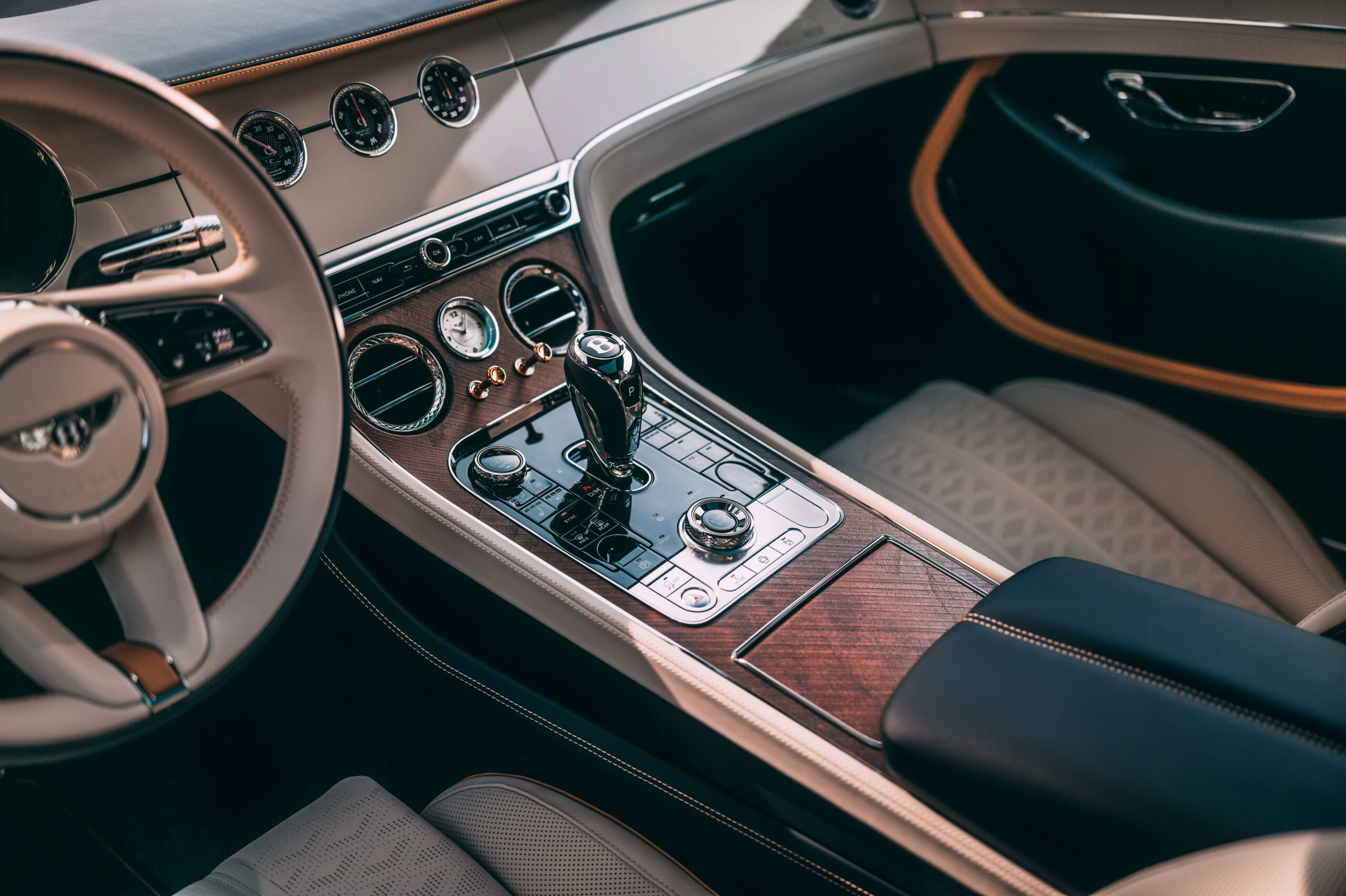
- Beluga and Ocean blue hides provide a deep, shadowy base.
- Citric yellow accents pick up the subtle warm highlights found in his compositions.
- Klein blue contrast seat piping adds a contemporary art reference, bridging classic Delft blues with modern colour theory.
- Piano Black fascia and waistlines act like a dark picture frame around a luminous scene.
Special attention has been paid to the Bentley Rotating Display: its inner accent ring and knurled bezel are painted in Klein blue, creating a focal point that feels like a miniature artwork in its own right.
Artistic Motif: Clouds Over Delft
For the door cards and welcome lamp, Mulliner selected the billowing cloud formations from The Little Street. When the car is unlocked at night, the projection of these clouds onto the pavement creates a quiet, cinematic moment—Vermeer’s sky briefly alive under the car.
This is the Dutch Masters car for clients drawn to light, minimalism, and intellectual subtlety, rather than overt theatrics.
Van Gogh: Dark Sapphire Energy From The Starry Night
If Rembrandt is drama and Vermeer is serenity, Vincent van Gogh is emotion in motion. The third car, another Continental GT coupe, takes its story from The Starry Night, arguably one of the most recognisable images in art history.
Exterior: Dark Sapphire, Khamun, and the Hint of Turbulence
- The body is finished in Dark Sapphire, a deep tone that suggests a night sky just before midnight.
- A Khamun yellow pinstripe traces the car’s lines, like a comet streaking through the darkness.
- Blackline and body-coloured styling components keep the profile clean, allowing the colour and pinstriping to do the storytelling.

Interior: Starry Night Re-imagined in Leather and Veneer
The palette here is bolder, more expressive:
- Imperial Blue and Dark Sapphire hides set a rich, moody backdrop.
- Linen brings a soft, neutral contrast, similar to the pale highlights in the painting.
- Khamun yellow accent hide, embroidered Bentley emblems, and contrast stitching channel Van Gogh’s use of Indian yellow for the stars in his night sky.
- A dual-finish Piano Linen veneer on the fascia and waistrails is bisected by a painted pinstripe in Dark Sapphire, echoing the exterior line and the painting’s swirling motion.
- The centre console is finished in open-pore chiselled Walnut, adding tactile depth and an almost painterly texture.
- Gold knurled organ stops add a warm metallic note, like candlelight on a gallery wall.
Artistic Motif: The Swirling Night Sky
Here, the motif is pure Van Gogh:
- The welcome lamp animation recreates the swirling night sky and yellow moon from The Starry Night.
- The same pattern is etched into the door card panels, turning a glance at the interior into a moment of recognition for anyone who knows the painting.
It is, quite deliberately, the most emotional of the three—aimed at collectors who respond to colour, intensity and narrative as much as to performance figures.
Bespoke Details: Key Boxes, Wellness, and the Art of Quiet Luxury
All three Dutch Masters cars share a suite of Mulliner-only touches that reinforce their status as collectible objects:
- Presentation key boxes, trimmed in the same hides as each car’s interior, with laser-etched inner lids depicting the corresponding motif—feather, clouds, or night sky.
- Blackline specification on all exteriors for a unified, modern aesthetic.
- Touring specification, integrating advanced driver-assistance features suitable for true grand touring.
- Wellness seating, mood lighting, diamond knurling, the Bentley Rotating Display, and a Naim for Bentley audio system as standard, turning every journey into a curated experience.
Underneath the artistry, these remain full-blooded Continental GTs, with the power, refinement, and chassis balance that define Bentley’s grand touring flagship. Media estimates suggest that, given the base pricing of the Continental GT and the depth of bespoke work, these unique commissions comfortably exceed standard list prices—though Bentley keeps exact figures confidential, as is customary at this elevation of luxury.
Why the Dutch Masters Collection Matters
In an era where many “special editions” are little more than wheels and badges, the Dutch Masters Collection stands out for several reasons:
- Depth of Concept
The cars are not superficially themed; they are designed from the canvas up, with colours, materials, and motifs directly traced to specific artworks and periods. - Cultural Alignment
Revealing the collection inside the Rijksmuseum—under The Night Watch and other legends—sends a clear message: these are objects of culture as much as transportation. - One-Off Authenticity
Each car is a genuine one-of-one commission, not part of a numbered run. That places them closer to coachbuilt grand tourers of the past than to modern limited editions. - A Blueprint for Future Bespoke Luxury
By fusing fine art narratives with high-end engineering, Bentley and Mulliner hint at a future where collectors commission cars the way patrons once commissioned portraits—grounded in personal taste, history, and story, not just specs.

Final Word
The Bentley Mulliner Dutch Masters Collection is more than a trio of highly optioned Continental GTs. It’s a clear signal of where the top of the luxury market is heading: towards deeply curated, culturally literate objects that live at the intersection of design, craftsmanship, and art history. Whether you gravitate towards the Rembrandt’s Midnight Emerald gravitas, the Vermeer’s serene Sapphire satin light, or the Van Gogh’s emotionally charged Dark Sapphire night sky, one thing is non-negotiable: these Bentleys don’t just occupy a parking space. They occupy a place in the ongoing conversation between art and automotive excellence—a conversation Mulliner is clearly intent on leading.