Elysium
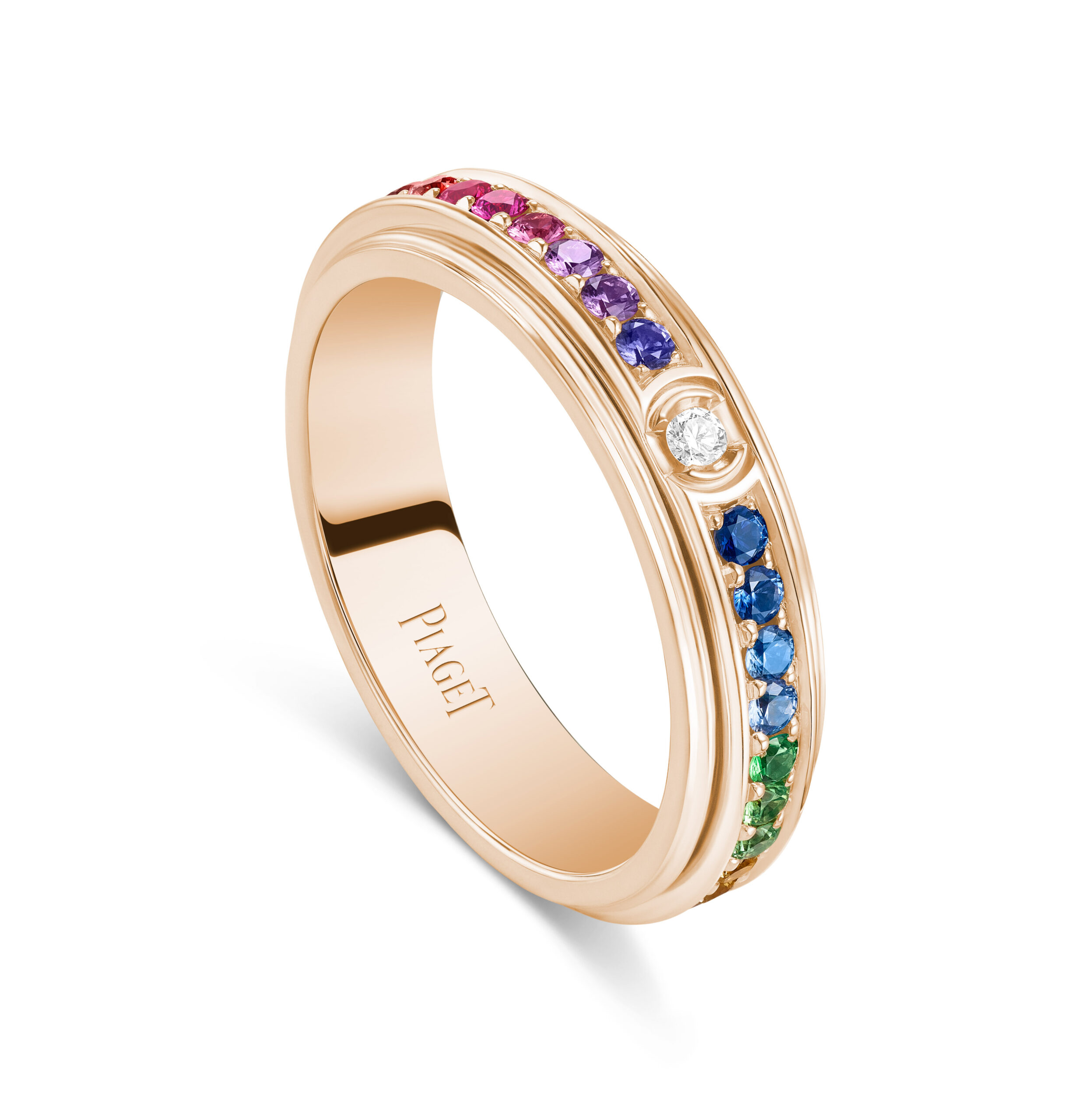
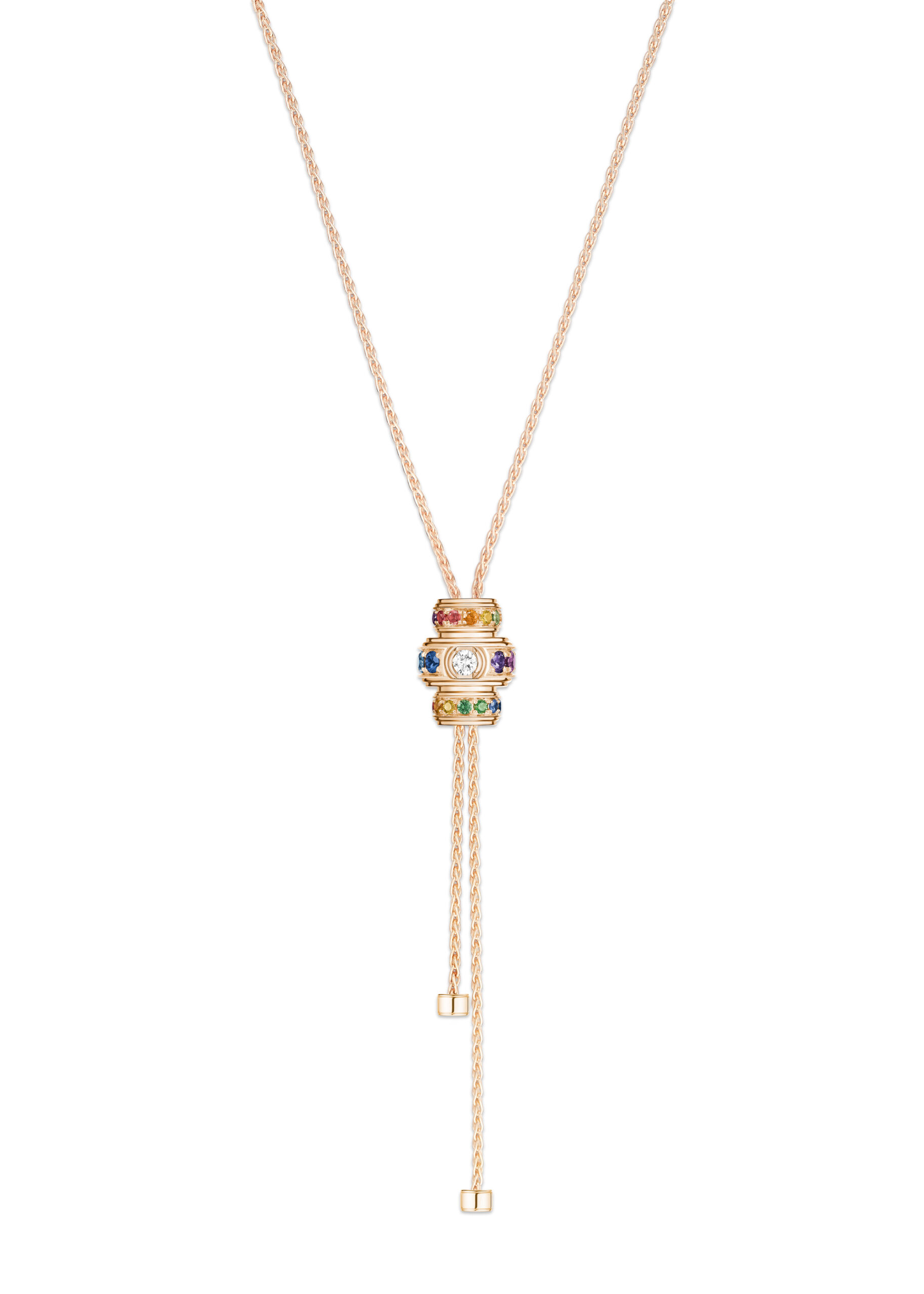
The world of luxury jewelry is constantly evolving, blending heritage with modern playfulness. Piaget, a maison renowned for its virtuosity in both watchmaking and jewelry, has brilliantly captured this spirit with the dazzling expansion of its iconic Possession collection. The new Piaget Possession Rainbow line—featuring a bracelet, a pendant, and a ring—is a masterful fusion of technical precision, vibrant color, and the collection’s signature interactive design. This launch isn’t just about new jewels; it’s a celebration of Piaget’s deep, colorful heritage, guaranteed to captivate collectors and search algorithms alike.
From Watchmaking to Wearable Play: The Possession Legacy
To understand the impact of the Piaget Possession Rainbow pieces, it is essential to appreciate the collection’s history. Launched in 1990, the Possession line marked a significant shift for Piaget, transitioning from decades of focusing primarily on exceptional high jewelry and timepieces to creating everyday, approachable luxury.
The true genius of the Possession is its rotating element. Inspired by the technical precision of Piaget’s watchmaking heritage, the central band of the ring, pendant, and bracelet spins freely. This interactive feature is more than a design quirk; it’s a profound conceptual choice. Piaget positioned the Possession as a contemporary talisman, inviting the wearer to engage in an intuitive, soothing gesture—a small, private moment of play and connection. This constant interaction is what gives the collection its unique charm and makes it highly searchable.

The Art of the Rainbow Setting: Technical Mastery
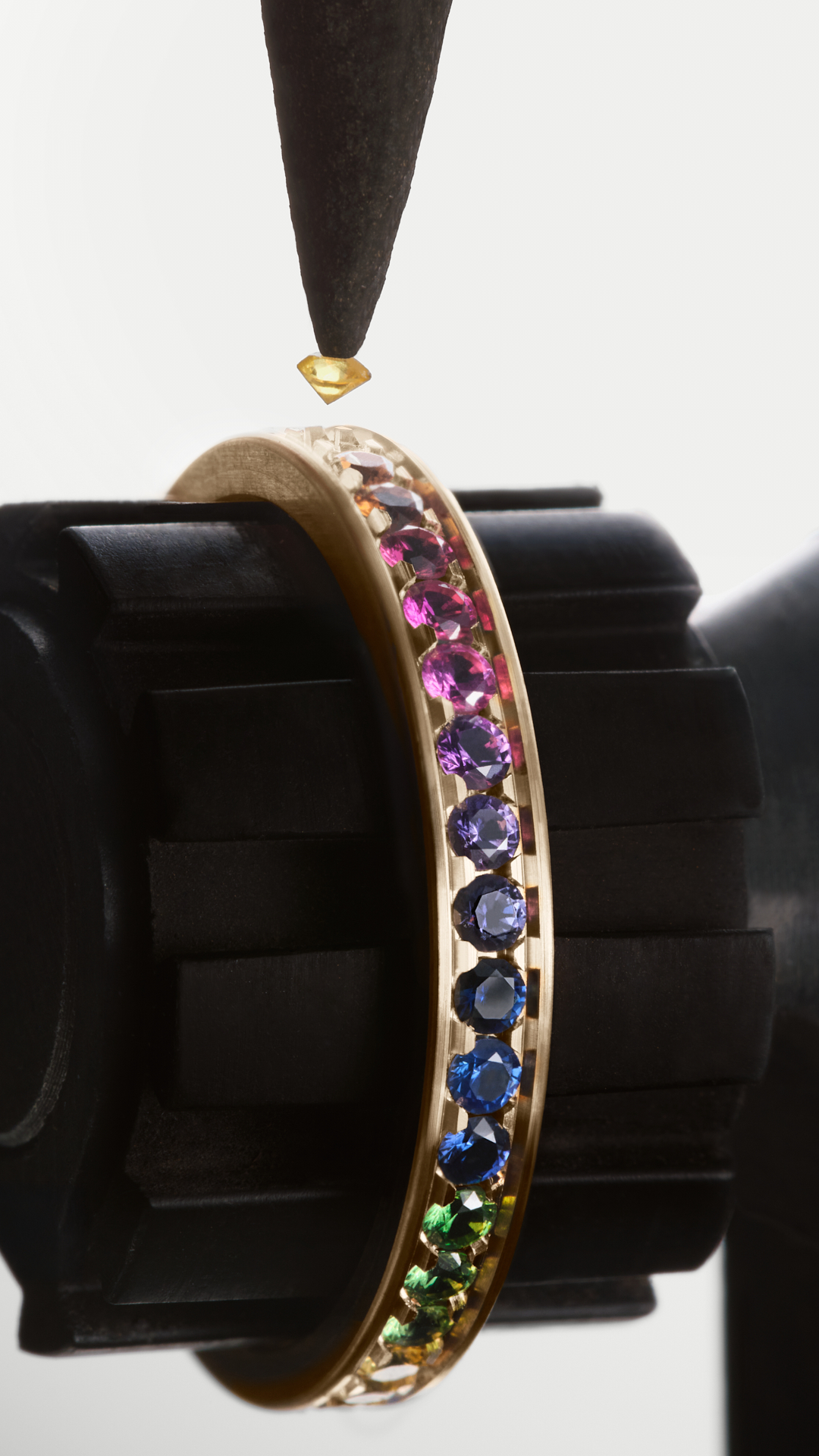
The introduction of the rainbow motif is a bold, high-stakes move for a luxury house, demanding absolute perfection. The Piaget Possession Rainbow setting requires extraordinary millimeter precision.
- Gemologist Selection: Each stone—including diamonds, rubies, sapphires, tsavorites, and yellow/pink sapphires—is meticulously hand-selected by a gemologist. This is crucial for achieving a seamless and perfect color gradation across the spectrum.
- The Color Heritage: This isn’t Piaget’s first colorful foray. The brand has a decades-long love affair with color, dating back to the 1960s when it pioneered the use of ornamental hard stones like malachite and lapis lazuli in its designs. The rainbow signature represents a vibrant new chapter, building upon this rich legacy seen in other contemporary pieces like the Limelight Gala and Piaget Polo Date 36mm.
Décor Palace: The Signature Gold Work
What truly elevates the Possession Rainbow pieces beyond simple color application is the inclusion of the signature Décor Palace. This distinctive goldsmithing technique is a unique, proprietary code of the House, and its inclusion provides significant talking points for content ranking:
- Unique Texture: Created in 1961 and revived in the early 2000s, the Décor Palace technique transforms the gold surface into a textured, almost fabric-like finish.
- Irregular Reflections: The meticulous hand-engraving yields unique, irregular reflections, imparting the metal with a brilliant, almost liquid-gold effect that enhances the brilliance of the adjacent gemstones.
- Virtuosity: This complex process is a testament to the Métiers d’Or (Gold Crafts) tradition at Piaget. The skill involved ensures that virtually no two Décor Palace pieces are exactly alike, adding an unparalleled layer of craftsmanship and exclusivity.
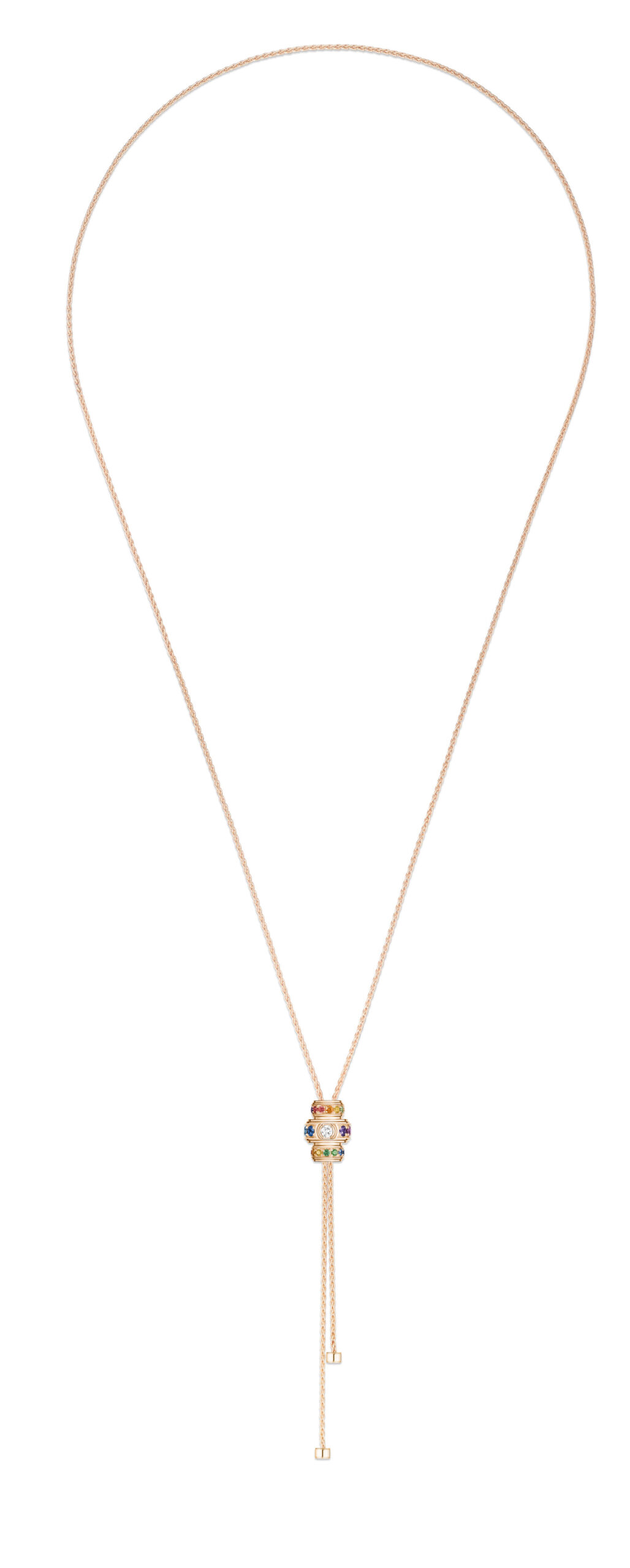
The combination of the vibrant, technically complex Rainbow setting with the unique textural brilliance of the Décor Palace makes the new Possession jewels high-value targets for fine jewelry enthusiasts and collectors searching for unique craftsmanship. The bracelet, pendant, and ring seamlessly integrate Piaget’s core values: joyous design, technical brilliance, and timeless elegance.

Piaget: A Legacy of Ultra-Thin Perfection and Dazzling High Jewelry
Piaget stands as one of the most distinguished names in Swiss luxury, a unique Maison that has mastered the dual arts of high watchmaking and exquisite jewelry. Since its founding in 1874, the brand has operated under the enduring motto, “Always do better than necessary,” a philosophy that drives its relentless pursuit of technical innovation, artistic audacity, and flawless execution.
The story of Piaget is a fascinating journey from a humble Swiss farm to the pinnacle of global luxury, defined by two pillars: the quest for the ultra-thin and the embrace of vibrant color and opulent design.

The Ultra-Thin Revolution: A Watchmaking Signature
Piaget’s origins trace back to the small village of La Côte-aux-Fées, where founder Georges-Édouard Piaget began by crafting high-precision watch movements for other prestigious houses. By the 1940s, the company registered its own trademark and began manufacturing complete timepieces, focusing intensely on miniaturization.
This obsession culminated in the 1950s with two groundbreaking technical achievements that cemented Piaget’s place in horological history:
- The Calibre 9P (1957): The first ultra-thin, hand-wound mechanical movement, measuring an astonishing 2 mm thick.
- The Calibre 12P (1960): The world’s thinnest automatic movement at the time, at just 2.3 mm thick, achieved through the ingenious use of a micro-rotor.
This mastery of ultra-thin movements allowed Piaget to create watches with a sleek elegance previously impossible, directly influencing the iconic designs of the later Altiplano collection and allowing for the seamless integration of watch and jewelry design.
The Golden Age of Audacity and Color
In the 1960s, under the guidance of the founder’s grandsons, Piaget embraced a new, flamboyant artistic direction, blending watchmaking with High Jewelry. The brand became synonymous with the jet-set lifestyle, adorning celebrities like Jackie Kennedy Onassis and Andy Warhol.
Piaget pioneered the use of ornamental hard stones—including lapis lazuli, malachite, turquoise, and tiger’s eye—for watch dials, introducing a vibrant palette of color that defined the era. Combined with the proprietary Décor Palace goldsmithing technique (which gives gold a shimmering, fabric-like texture), Piaget created stunning “jewel watches” and cuff watches that were true statements of luxury.
The Pillars of the Piaget Collection
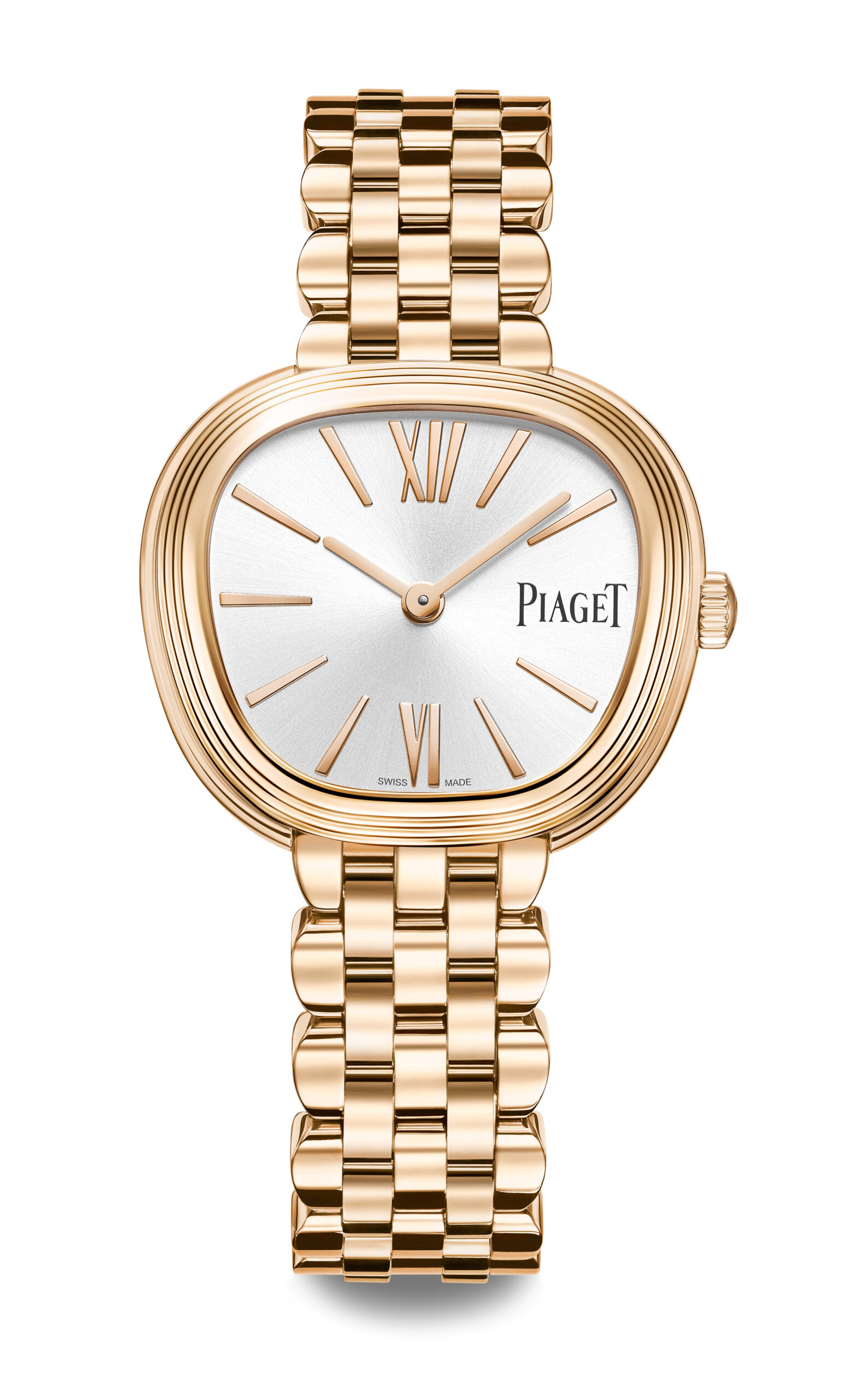
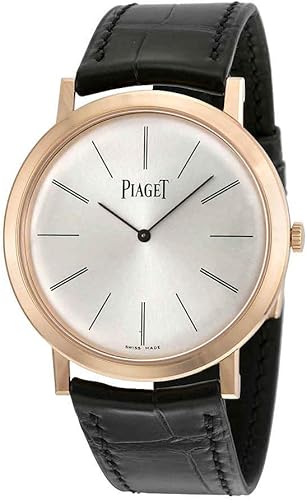
Beyond the celebrated expertise in movements, Piaget’s market authority is sustained by its major collections:
| Collection | Defining Feature | Legacy & Style |
| Altiplano | Ultra-Thin Movements (e.g., Altiplano Ultimate Concept) | Represents minimalist elegance and the pinnacle of mechanical slenderness. |
| Piaget Polo | Sporty-Chic Integrated Design (Launched 1979) | A classic model known for its signature cushion-shaped case and integrated bracelet, embodying relaxed, everyday luxury. |
| Limelight Gala | Asymmetrical Diamond-Set Case | The ultimate women’s jewelry watch, characterized by its feminine, fluid lines that extend from the case into the bracelet. |
| Possession | Rotating Elements | The iconic jewelry line (including the Rainbow models) defined by a playful, interactive spinning ring or band feature. |
Today, Piaget continues to house all its critical operations—from movement creation at La Côte-aux-Fées to goldsmithing and gem-setting at its Geneva Ateliers de l’Extraordinaire—ensuring a level of in-house mastery that few luxury houses can match.