Elysium
Exhibition Overview & Essential Info
The Cartier Exhibition at the V&A South Kensington is one of the most dazzling cultural events of 2025. From now until Sunday, 16 November 2025, visitors can explore over 350 opulent items, including historic gemstones, tiaras, brooches, necklaces, and rare Cartier watches and mystery clocks. These pieces showcase the artistic journey of Cartier, from its Parisian boutique to the pinnacle of global luxury.
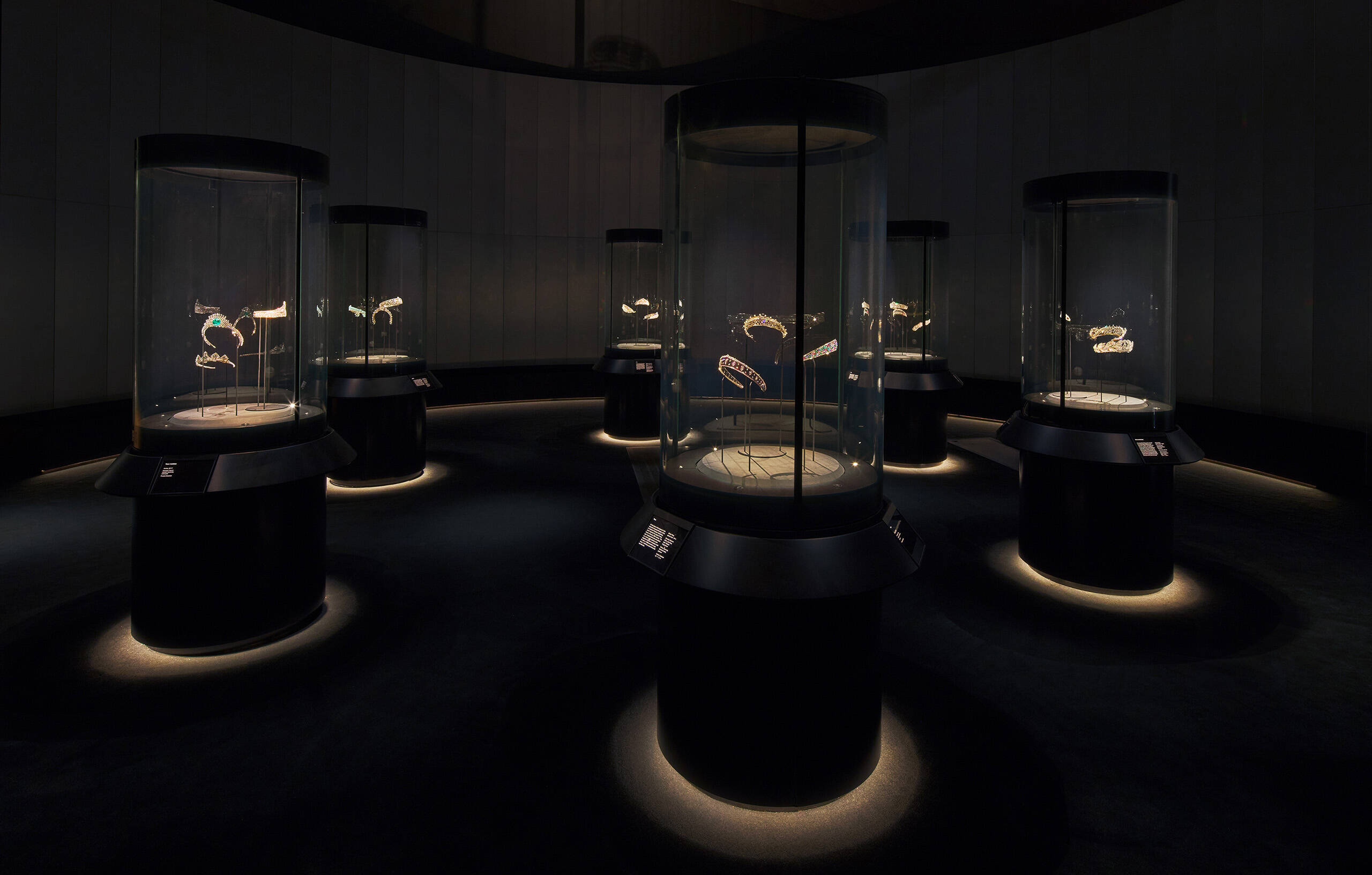
- Location: Victoria and Albert Museum, South Kensington, London, SW7 2RL
- Gallery: The Sainsbury Gallery
- Ticket Prices:
- Weekday: £27.00
- Weekend: £29.00
- Weekday: £27.00
- Hours: 10:00 AM – 5:45 PM daily (Friday extended hours)
- Booking: Highly recommended in advance as slots are limited. V&A members enter for free.

Historical Context: Cartier’s Rise to Fame
Founded in 1847 by Louis-François Cartier, the brand grew rapidly under the stewardship of his grandsons—Louis, Pierre, and Jacques Cartier. With stores in Paris, London, and New York, the trio built a global legacy of elegant design and technical brilliance.
Their partnership turned a family-owned jewelry workshop into a symbol of old-world glamour and international prestige. With an elite client base including royalty and aristocracy, Cartier earned the title “the jeweler of kings and the king of jewelers.”
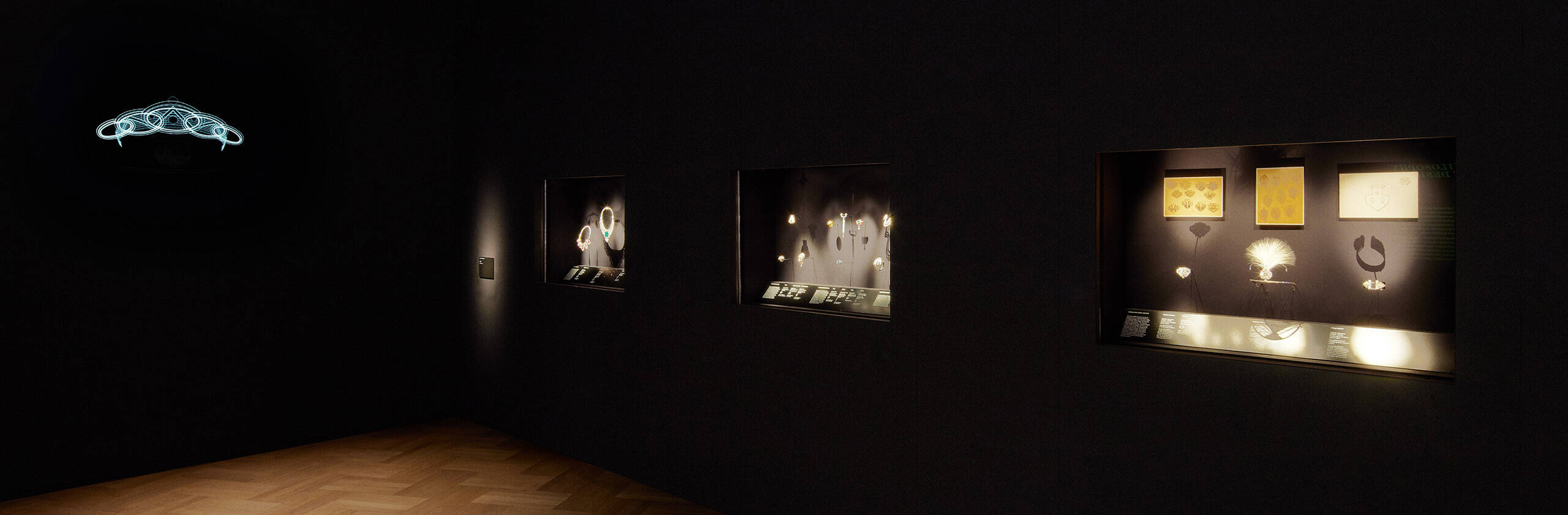
Exhibition Structure: Three Key Sections
1. Creativity & Signature Styles
This section celebrates the artistic vision of Cartier. Visitors encounter inspirations from 18th-century French design, as well as Indian and Islamic art, alongside global decorative traditions.
Key highlights include:
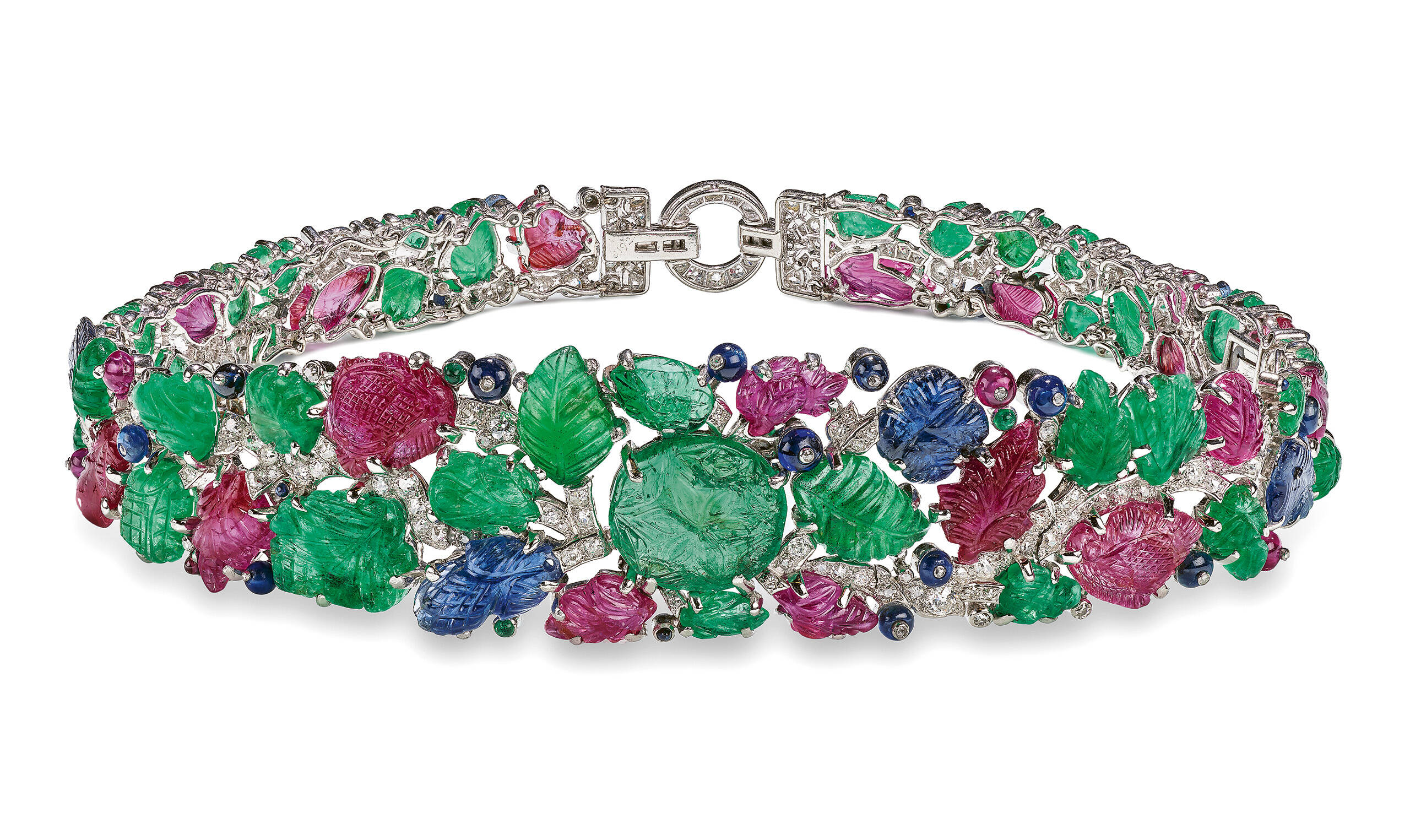
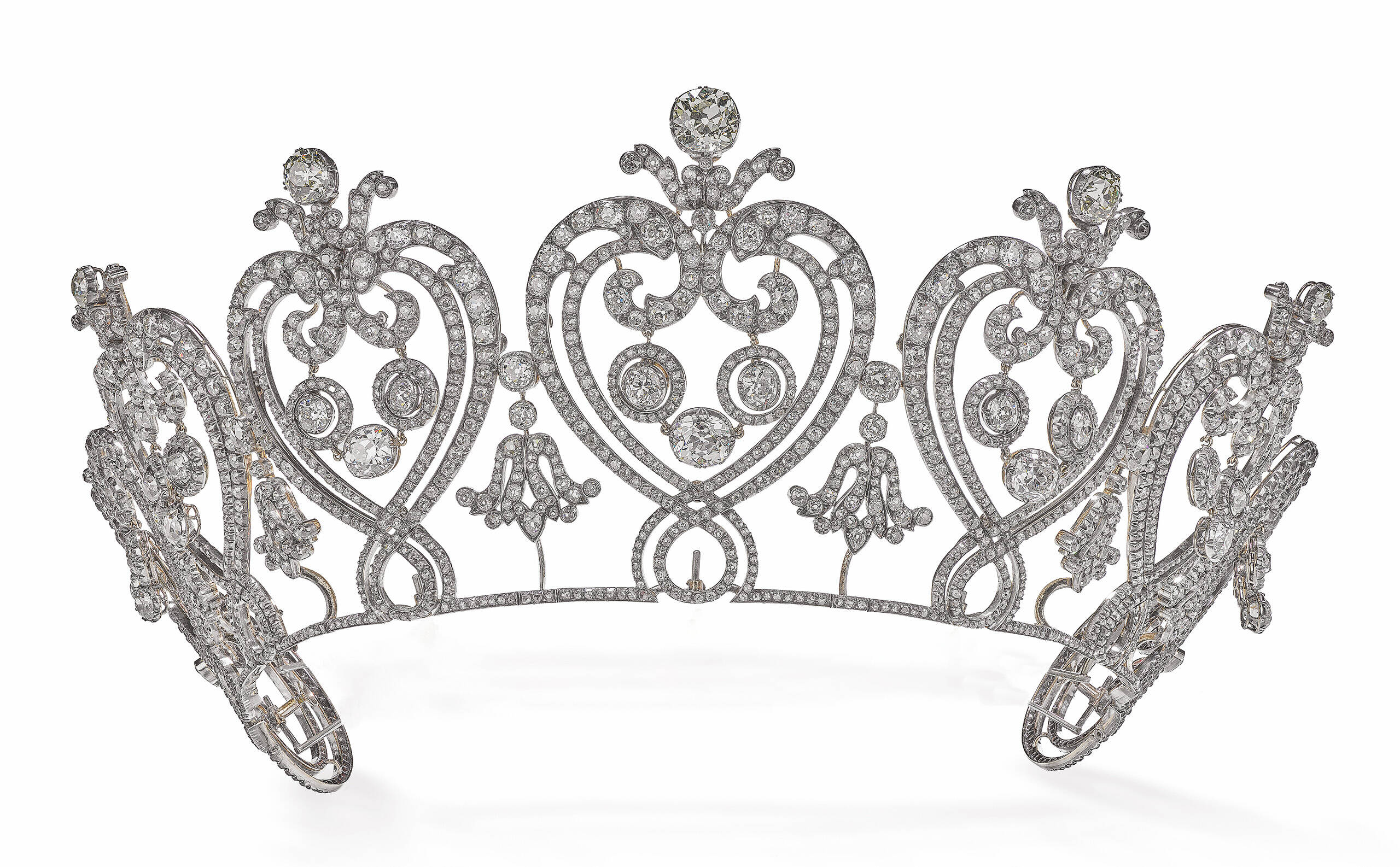
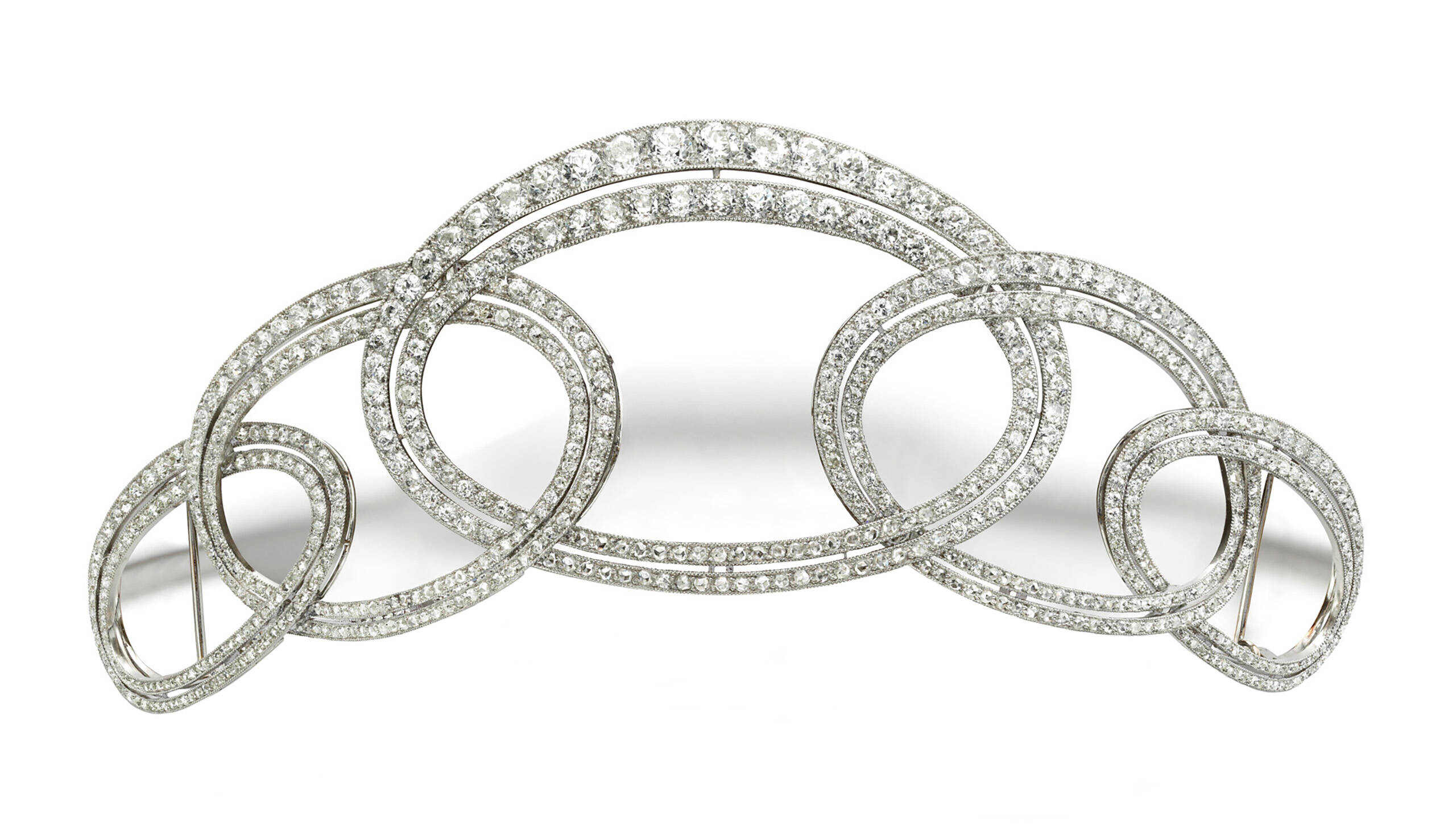
- Garland Style masterpieces: white platinum settings with diamonds inspired by Rococo architecture.
- Scarab Brooch: a London-designed piece reflecting ancient Egyptian motifs.
- Bazuband-Inspired Brooch: a diamond set piece mimicking a traditional Indian upper arm bracelet.
- Williamson Diamond Brooch: created in 1953 for Queen Elizabeth II, featuring a rare 23.6-carat pink diamond.
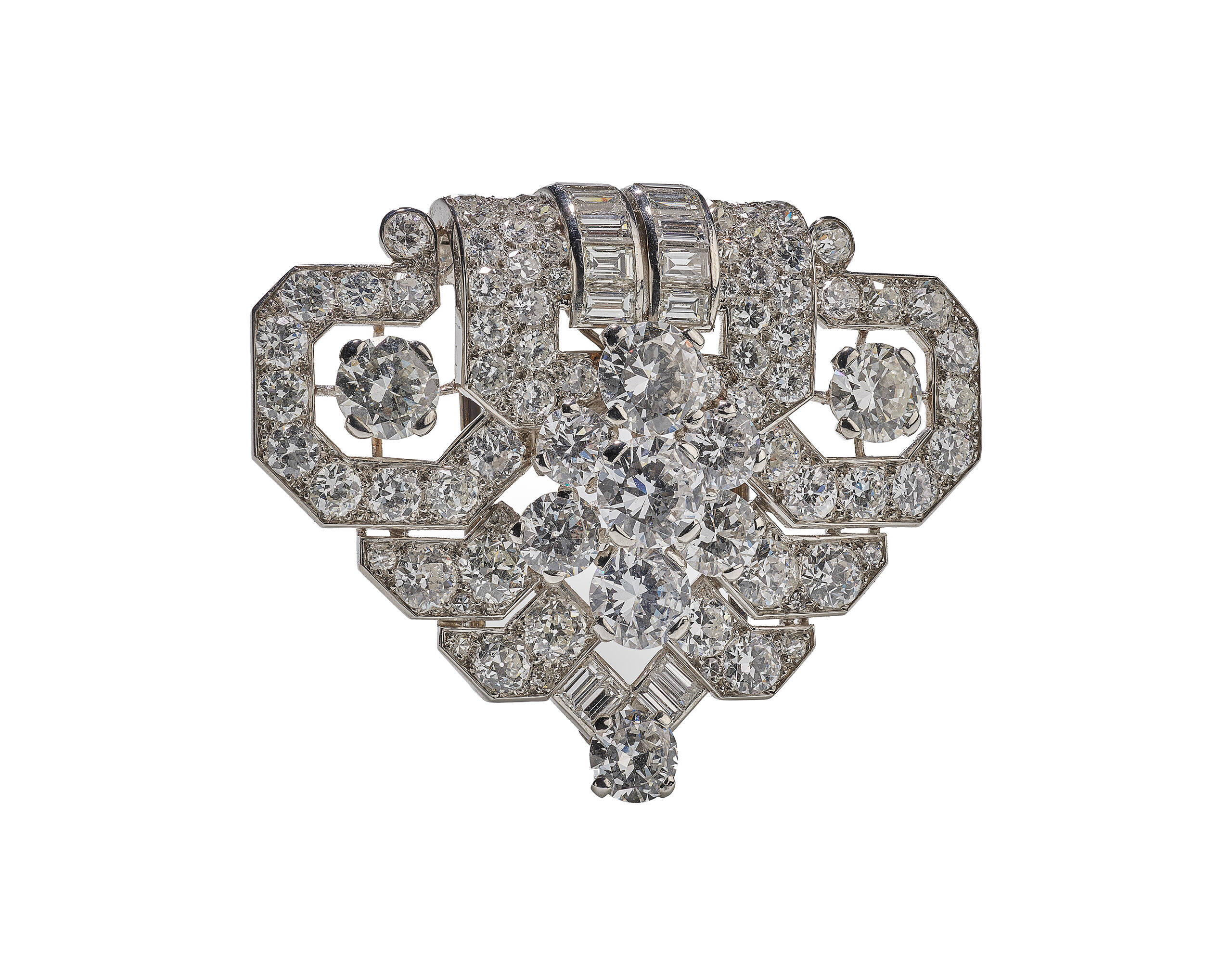
Nearby, you’ll find:
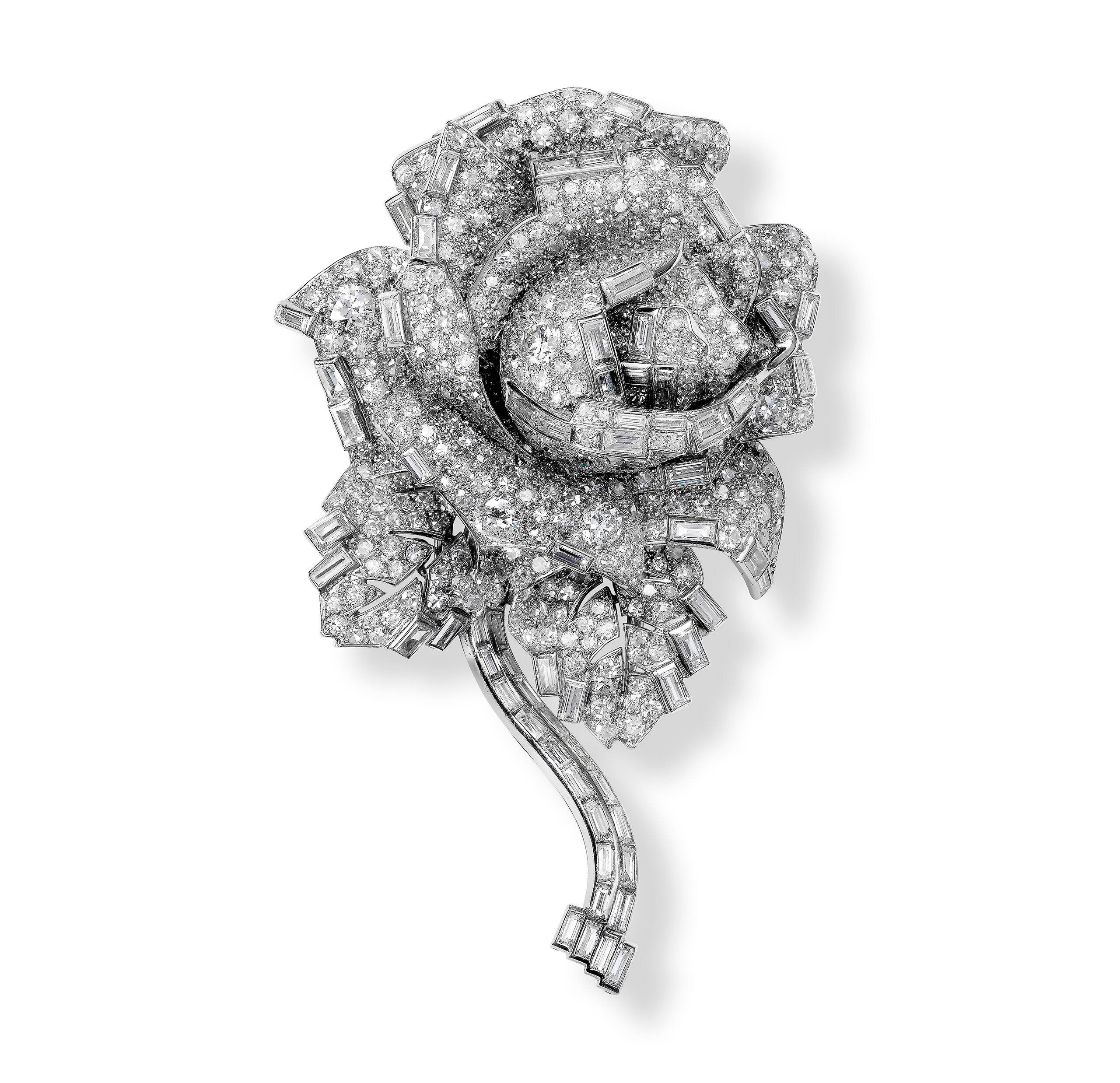
- A rose clip brooch once owned by Princess Margaret.
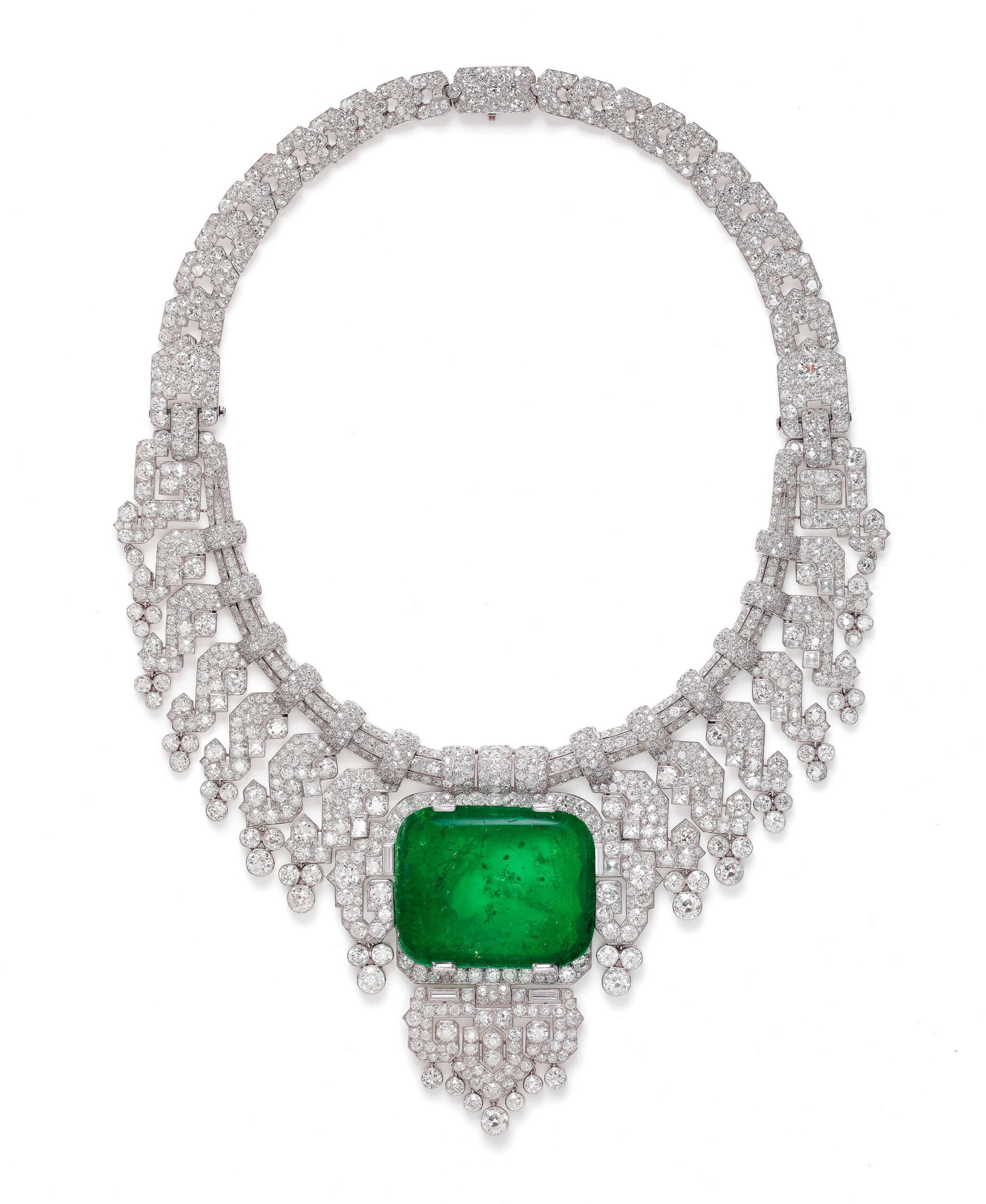
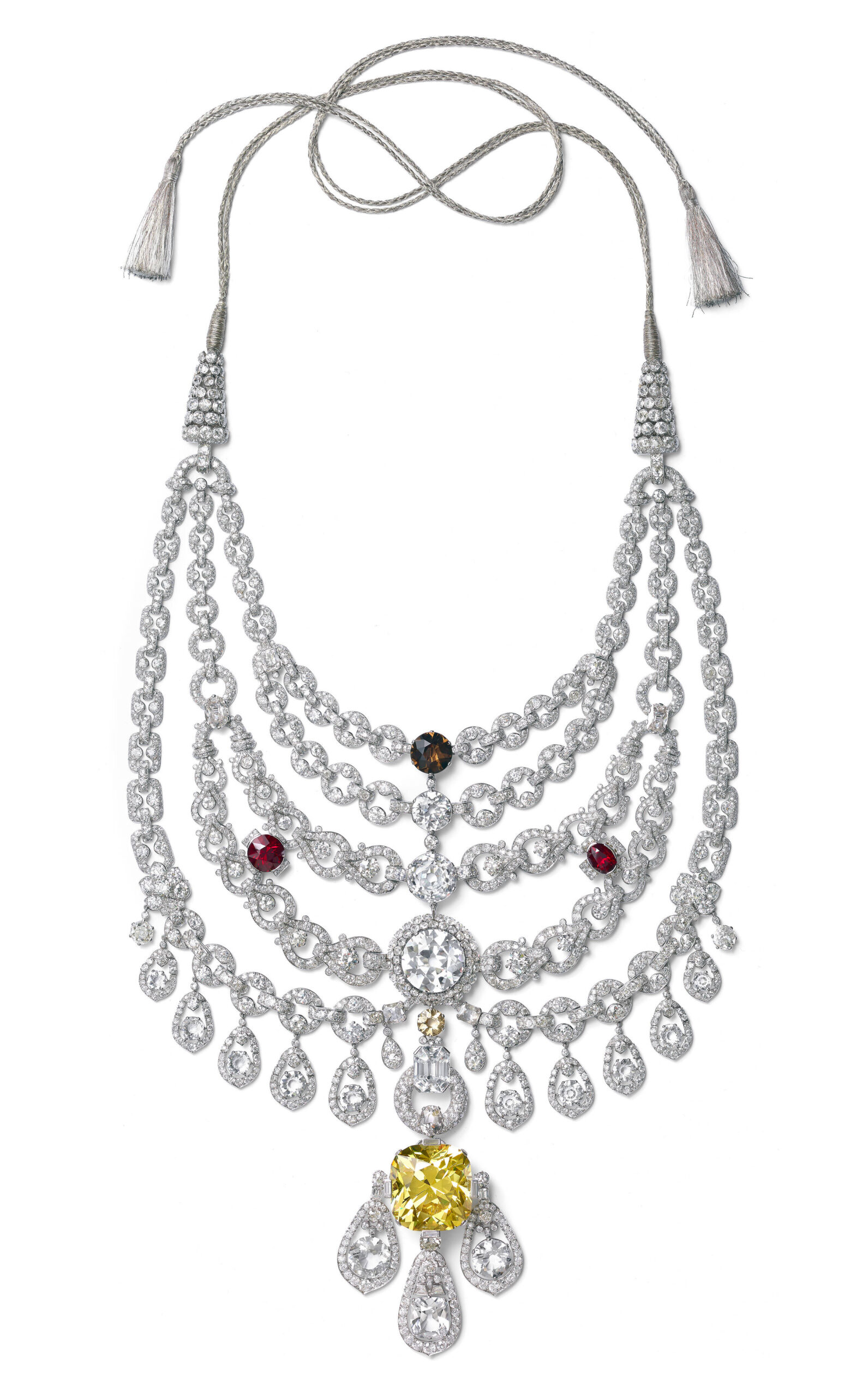
- A grand ceremonial necklace and choker from 1928, commissioned by the Maharaja of Patiala, blending Indian tradition with Art Deco modernism.
2. Exceptional Materials and Techniques
This gallery focuses on Cartier’s workshop innovations and its use of the world’s most prestigious gems.
Notable pieces include:
- Barbara Hutton’s Jade Necklace: one of the finest jade bead collections globally.
- Allnatt Brooch: featuring a 101-carat vivid yellow diamond.
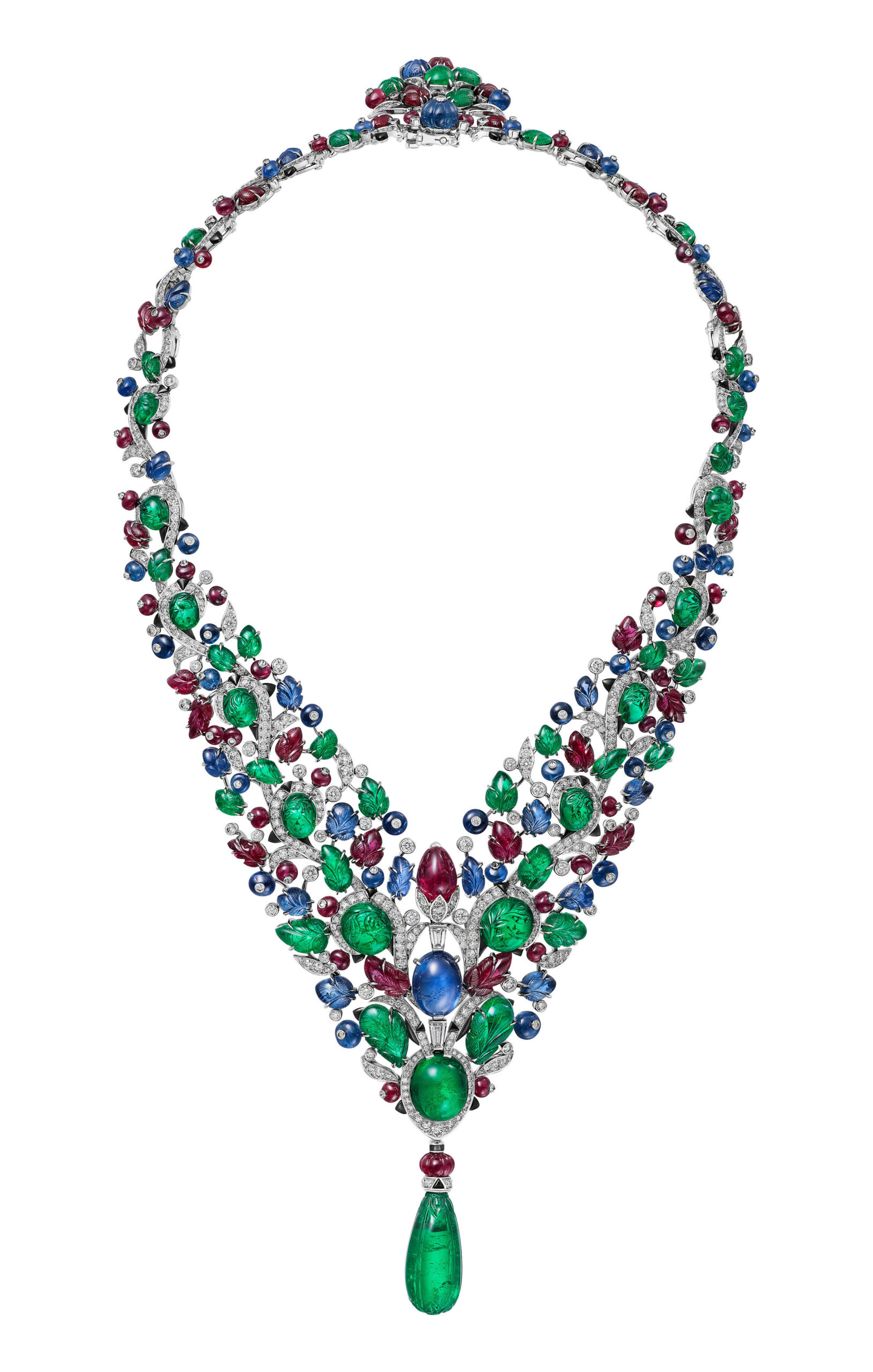
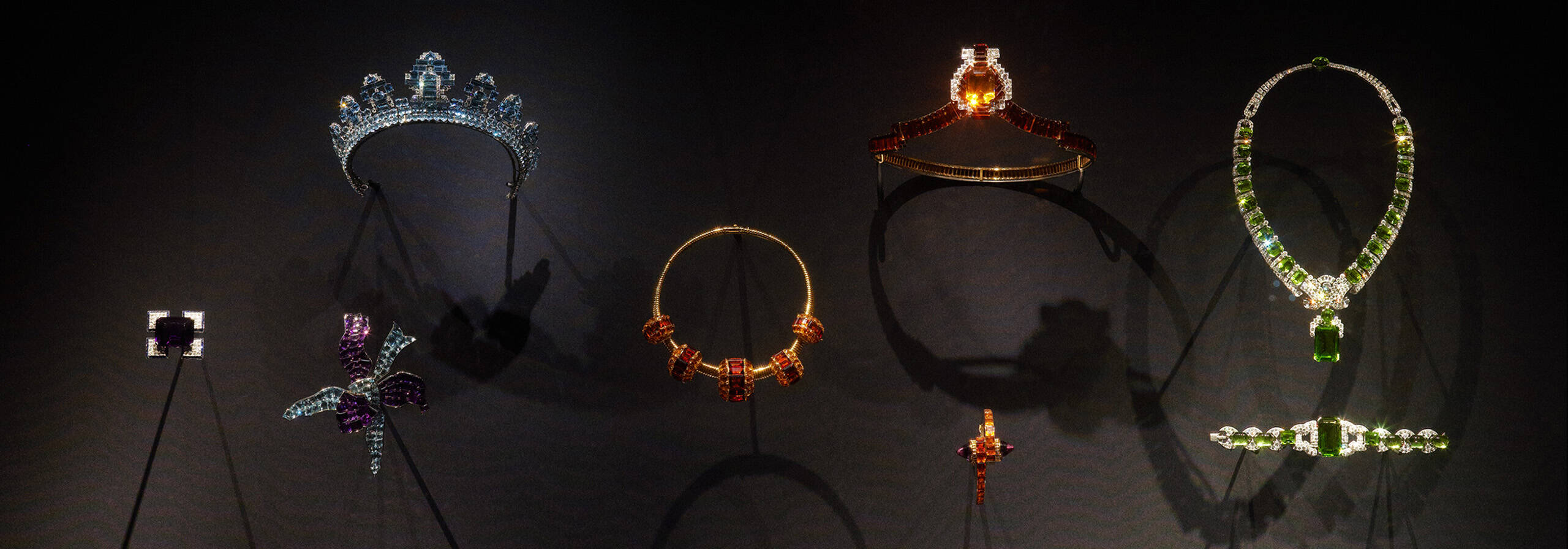
- Tutti Frutti Mountbatten Bandeau (1928): a multicolored jewel masterpiece symbolizing Art Deco design.
- Snake Necklace: commissioned by María Félix, made with over 2,400 diamonds and lifelike articulation.
Also on display:
- Santos Watch (1904): the first modern men’s wristwatch.
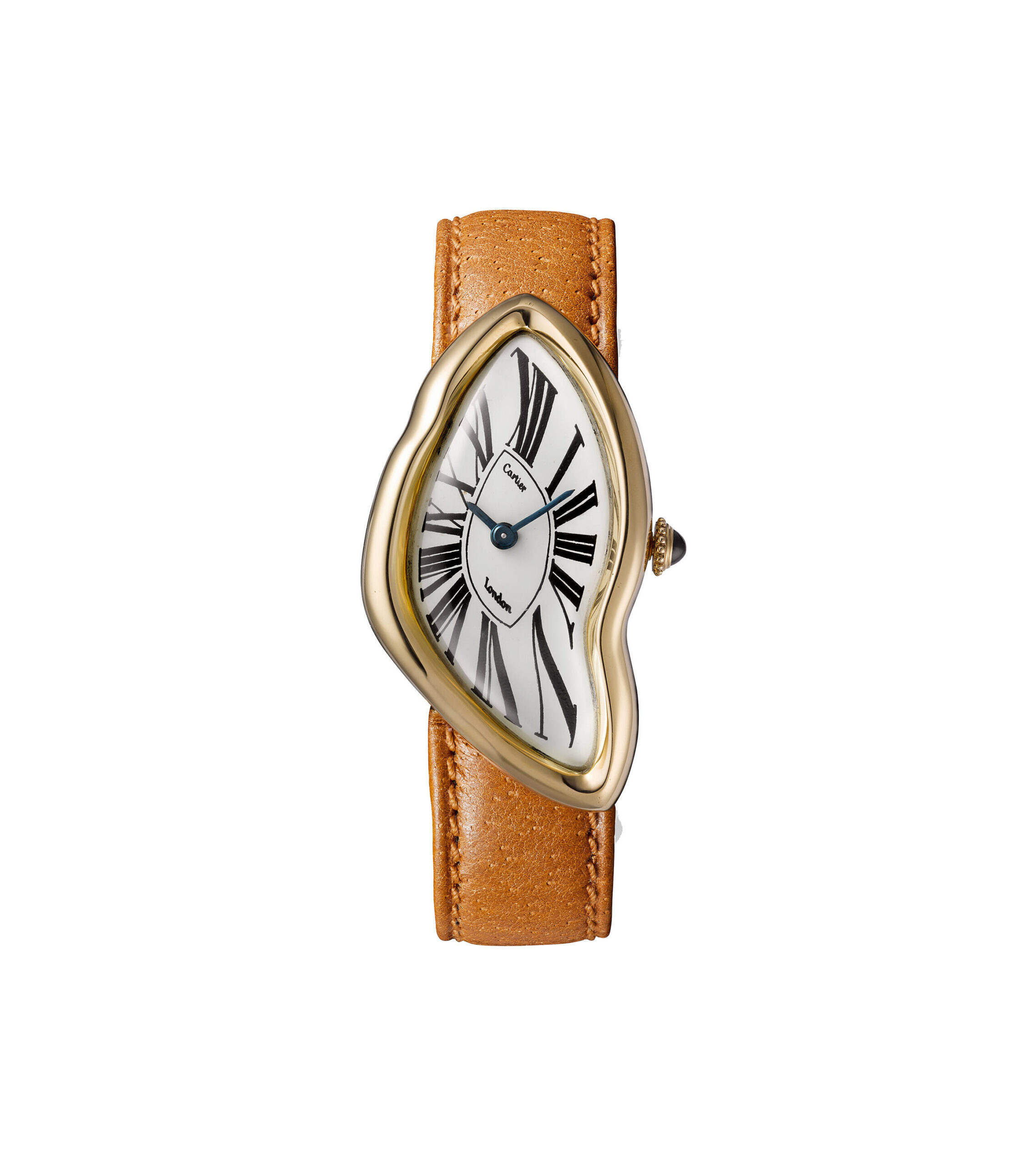
- Crash Watch (1967): a distorted dial icon of Swinging London.
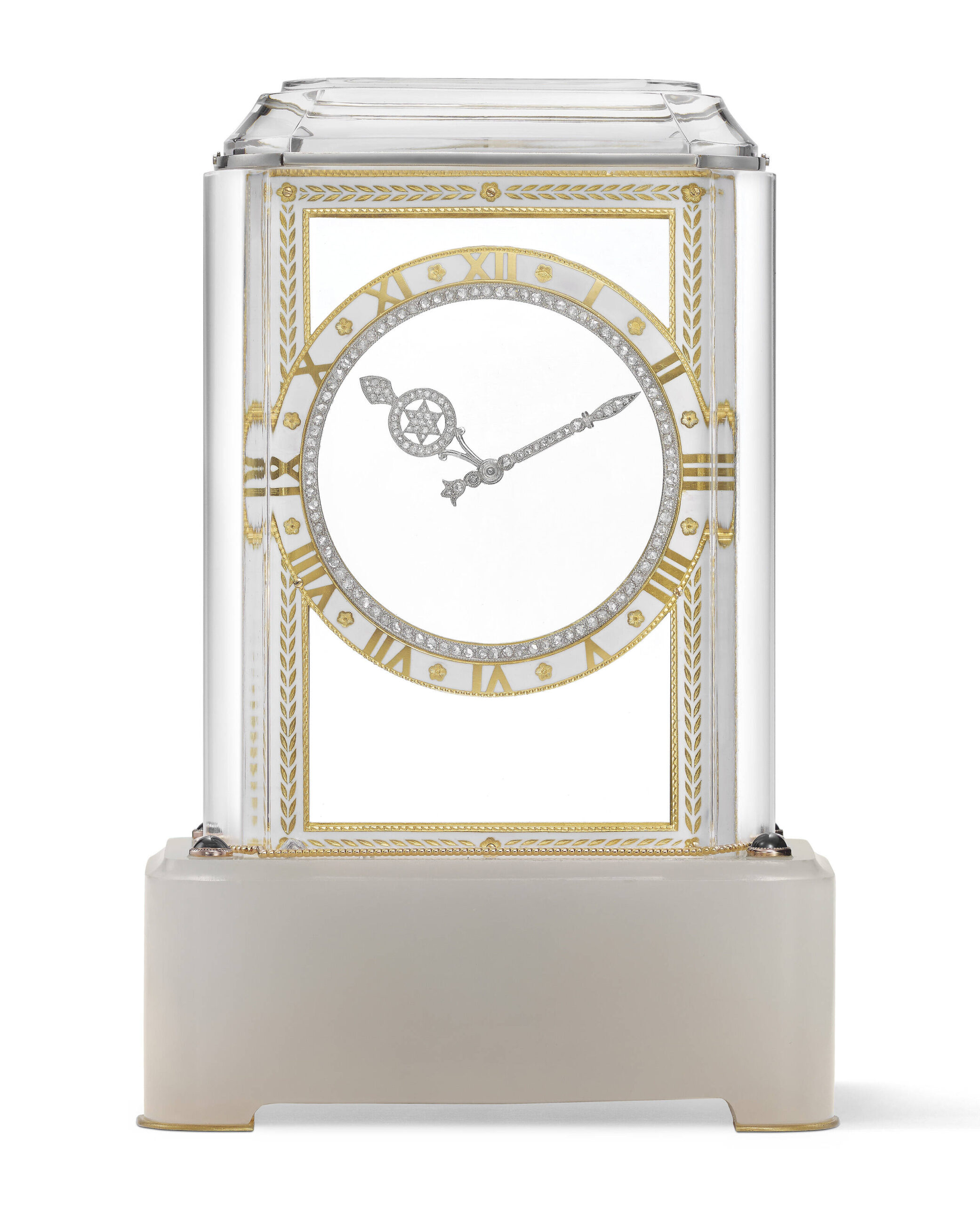
- Mystery Clocks: ingenious timepieces with floating hands—a Cartier trademark.
3. Constant Reinvention & Marketing Brilliance
From its early days, Cartier mastered the art of branding and storytelling. Their participation in events like the 1925 Exposition Internationale des Arts Décoratifs positioned them alongside top fashion designers.
This section explores:
- Public exhibitions, fashion magazine placements, and celebrity endorsements.
- Displays from the Pavillon de l’Élégance, including a diamond and onyx orchid hair ornament.
- How stars like Elizabeth Taylor, Jacqueline Kennedy, and Grace Kelly helped keep the brand relevant into the 21st century.
Show Highlights: Must-See Items
A selection of iconic treasures featured:
| Category | Highlighted Piece |
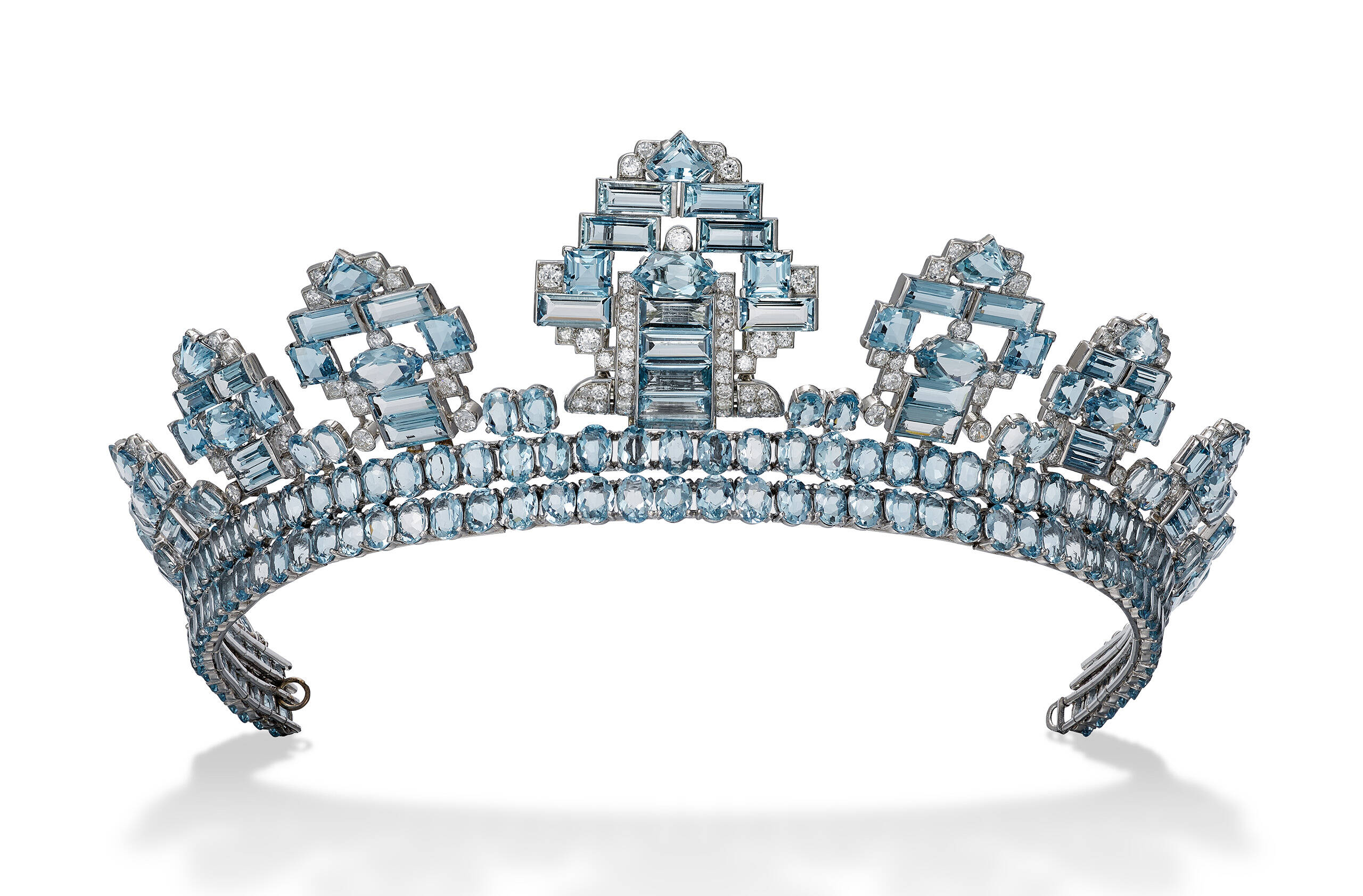
| Royal Tiaras | Manchester Tiara (1903), Scroll Tiara (1937), Pineflower Tiara (1908) |
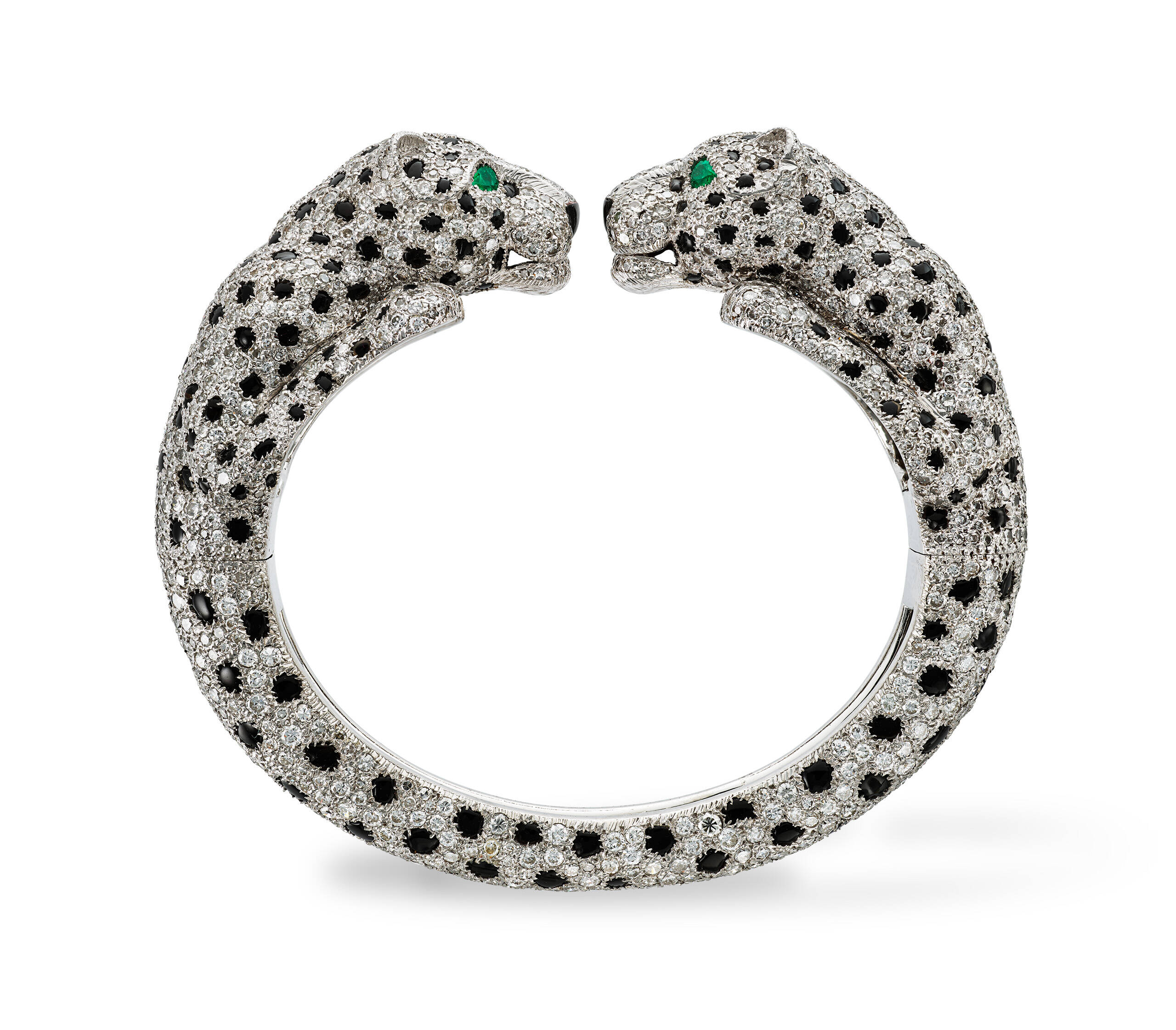
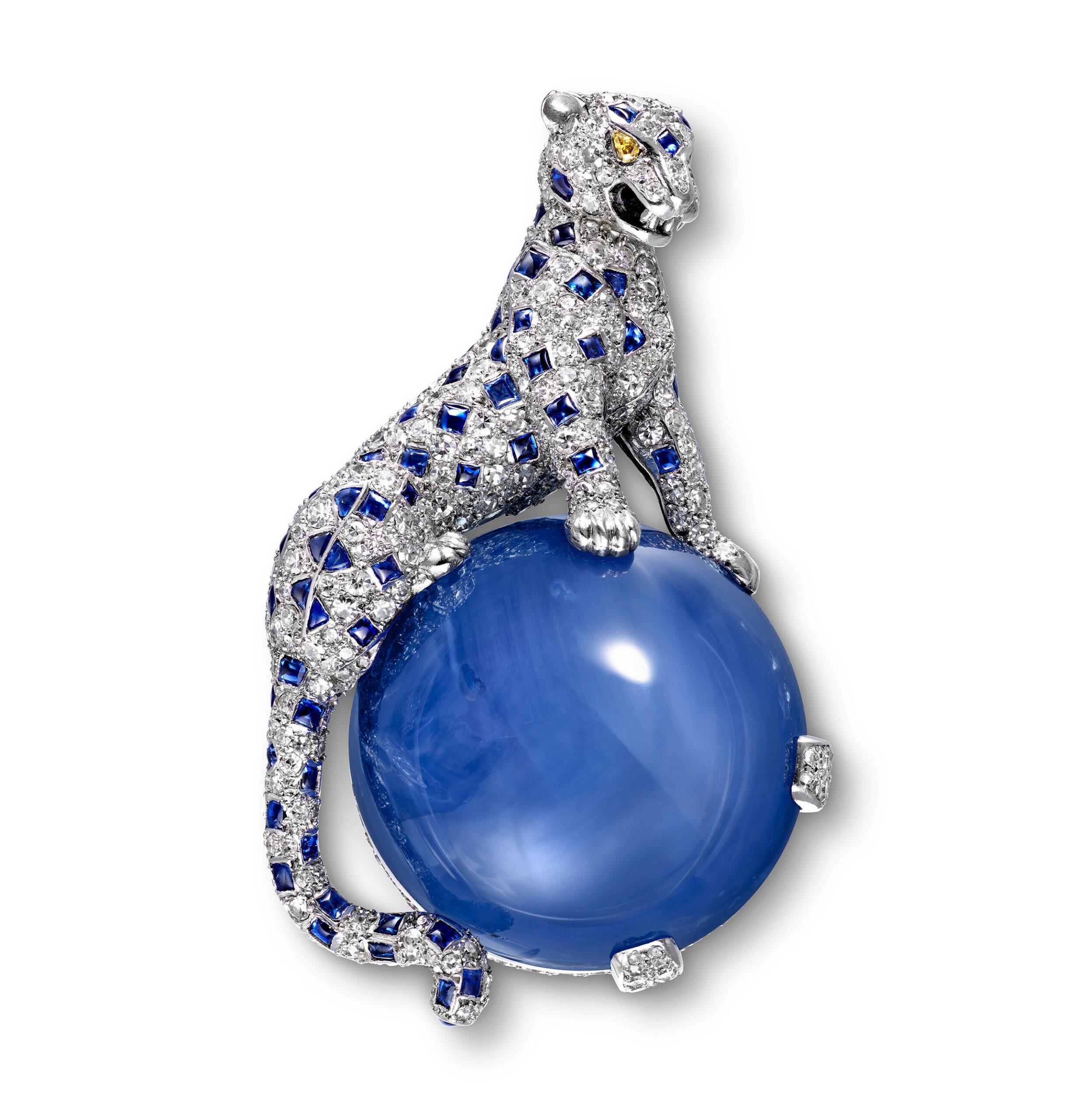
| Brooches | Williamson Pink Diamond Brooch, Rose Clip (1938), Panther Clip (1949) |
| Necklaces | Tutti Frutti Bandeau (1928), Snake Necklace, Allnatt Brooch |
| Watches | Santos, Crash Watch (1967), Cartier London watches from the 1960s-70s |
| Clocks | Model A Mystery Clock (1914), floating-hand marvels from Paris workshops |
Curatorial Design & Visitor Experience
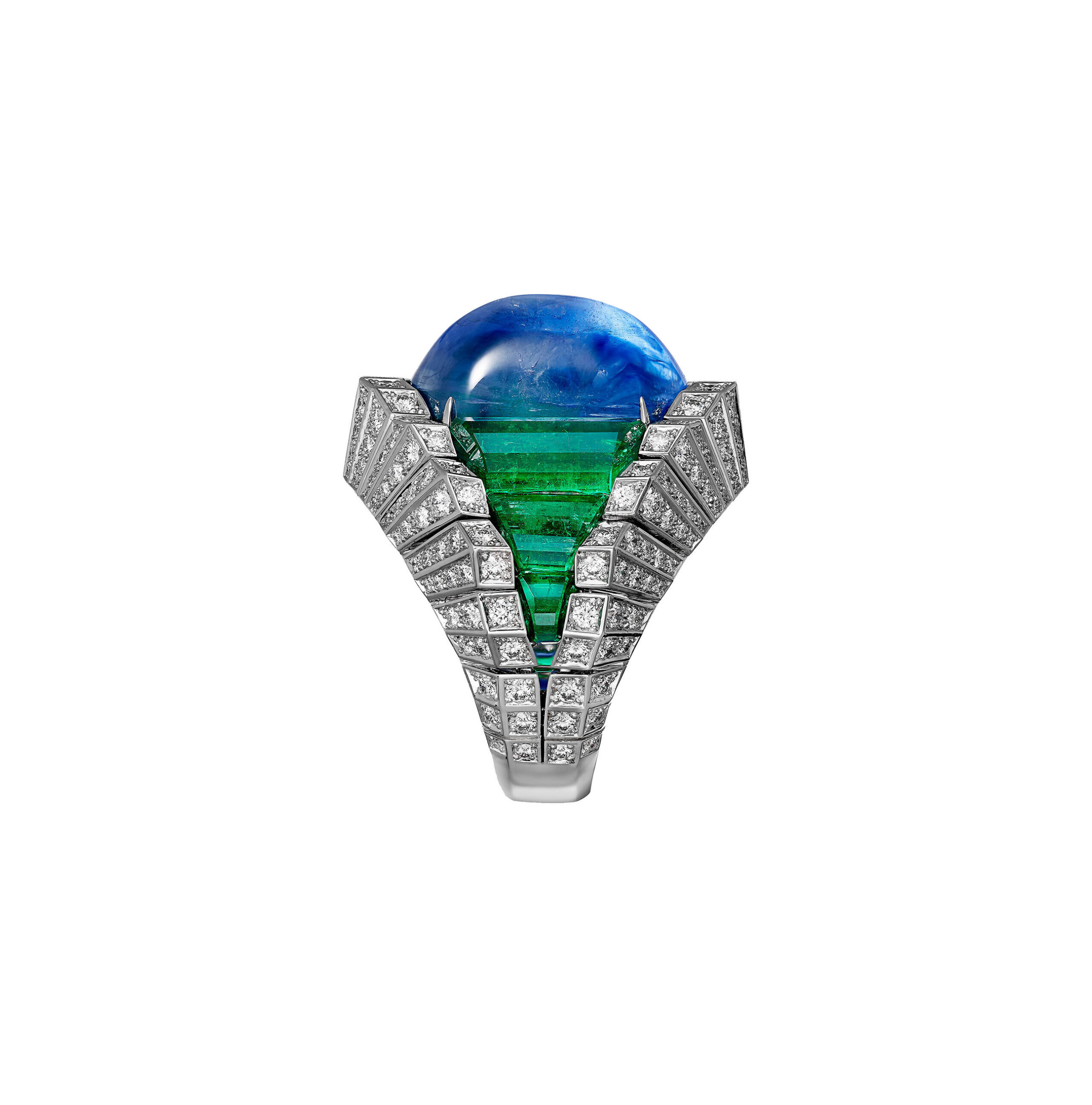
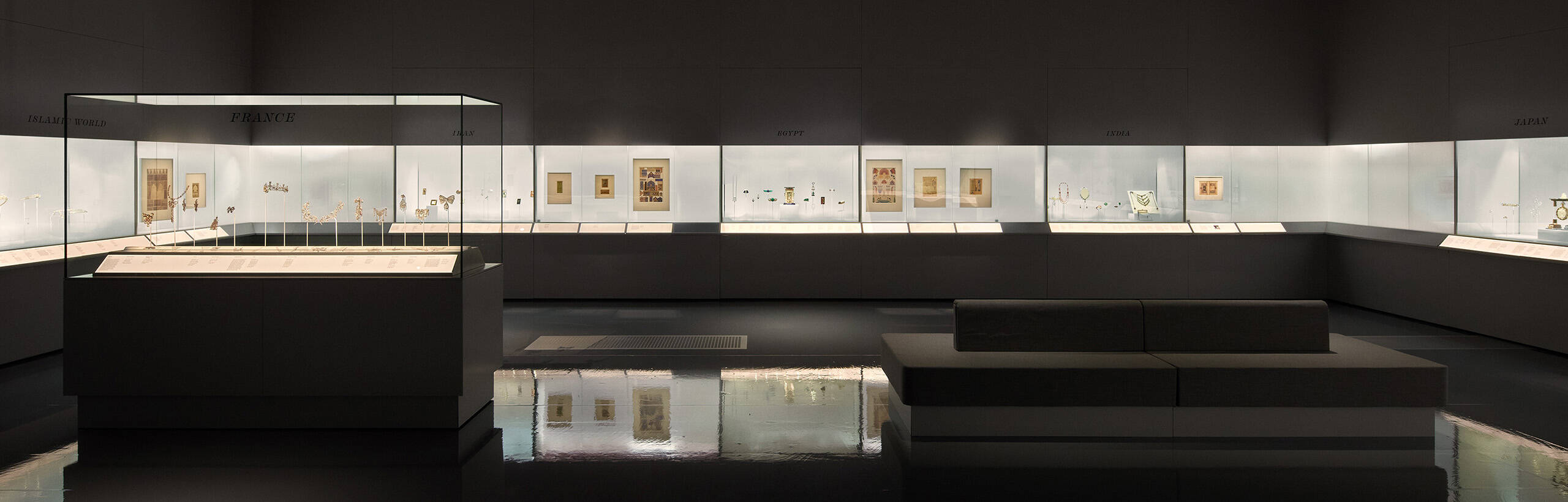
The exhibition is curated by Helen Molesworth and Rachel Garrahan, with exhibition design by Asif Khan. Each room immerses visitors in Cartier’s era, from softly lit rooms with jewel-toned projections to interactive digital displays.
A combination of rotating spotlights, mirrored surfaces, and thematic soundscapes provides an emotionally rich and sensory experience.
Cultural Impact & Celebrity Appeal
Cartier’s transition from royal jeweler to pop culture mainstay is clear. The exhibition features stories of commissions from:
- King Edward VII
- Grace Kelly
- Elizabeth Taylor
- Maria Felix
- Jacqueline Kennedy
These icons wore Cartier pieces not just as accessories but as statements of identity and status.
Critical & Public Reception
The Cartier Exhibition has received five-star reviews from leading critics:
“A spellbinding, once-in-a-lifetime display of old-world glamour.” – The Telegraph
- Opening weeks sold out within days
- Extended hours and preview mornings for members reflect the high demand.
- Social media buzzes with hashtags like #CartierExhibition and #VandACartier.
Exploring Broader Themes
Beyond glamour, the exhibition reflects on:
- Cross-cultural aesthetics: blending East and West through design.
- Colonial legacy: subtly addressed via the sourcing of gems and the influence of the empire.
- Artistic globalization: Cartier’s synthesis of styles led to a new visual language in jewelry.
Practical Tips for Visitors
- The best time to visit is on Weekdays, preferably mid-morning or late afternoon.
- Tickets: Pre-book online to avoid sell-outs.
- Photography: Allowed without flash.
- Accessibility: Full wheelchair access and seating throughout.
- Family-friendly: Ideal for children 10+; younger kids welcome with supervision.
- Gift shop: Catalogs, exhibition books, and merchandise available.
FAQs about the Cartier Exhibition
Q1: What are the opening hours?
10:00 AM – 5:45 PM daily, with late hours on Fridays.
Q2: Can I take photos inside the exhibition?
Yes, photography is permitted without flash.
Q3: Is the venue accessible?
Yes, including lifts, step-free access, and accessible toilets.
Q4: Can children attend?
Yes, and family guides are available.
Q5: Are pieces available for sale?
No. All items are from the museum and private collections.
Q6: Is a V&A membership worth it?
Absolutely. Members get unlimited free access, early previews, and discounts.
Conclusion: Why Visit the Cartier Exhibition
Whether you’re a jewelry connoisseur, design enthusiast, or simply drawn to luxury, the Cartier Exhibition at the V&A offers an unforgettable journey. With its mix of history, design innovation, royal connections, and celebrity sparkle, this is your chance to witness the world’s most iconic jewels in one majestic setting. Don’t miss this once-in-a-lifetime showcase—book your tickets before 16 November 2025.