Elysium
Coffee lovers around the world are increasingly turning their attention to a once-underrated origin—Peru. Nestled among the Andean peaks and Amazonian borders, Peru produces some of the most flavorful, altitude-grown Arabica beans available today. Recognized for its sustainable farming methods, award-winning varietals, and vibrant third-wave café culture, the best Peruvian coffee is no longer a secret—it’s a global contender.
Introduction to Peruvian Coffee
Peru’s coffee history dates back to the 1700s, but it wasn’t until the early 2000s that the country truly began carving out a space in the global specialty market. With its rich biodiversity and centuries-old farming traditions, Peru now consistently ranks among the top exporters of organic, fair-trade, and specialty-grade Arabica beans.
Why Peruvian Coffee Stands Out
Altitude-Grown Arabica Excellence
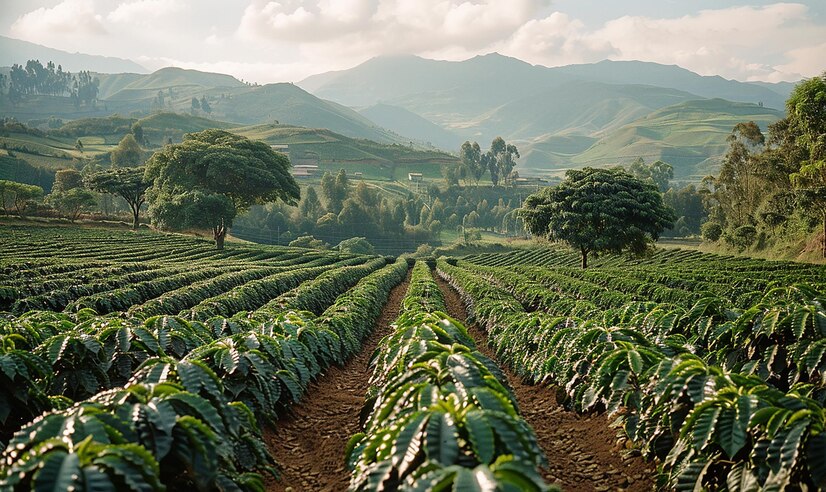
Peruvian coffee is predominantly grown at elevations between 1,200 and 2,000 meters. These high-altitude conditions—especially in regions like Cajamarca, Cusco, San Martín, and Puno—allow for slower cherry maturation, which enhances flavor complexity. Coffee from these regions often boasts vibrant acidity, deep body, and a creamy mouthfeel.
Flavor Profile of Peruvian Coffee
Specialty coffee from Peru typically features:
- Red fruits (cranberry, cherry)
- Chocolate and caramel undertones
- Nutty finishes
- Floral aromatics
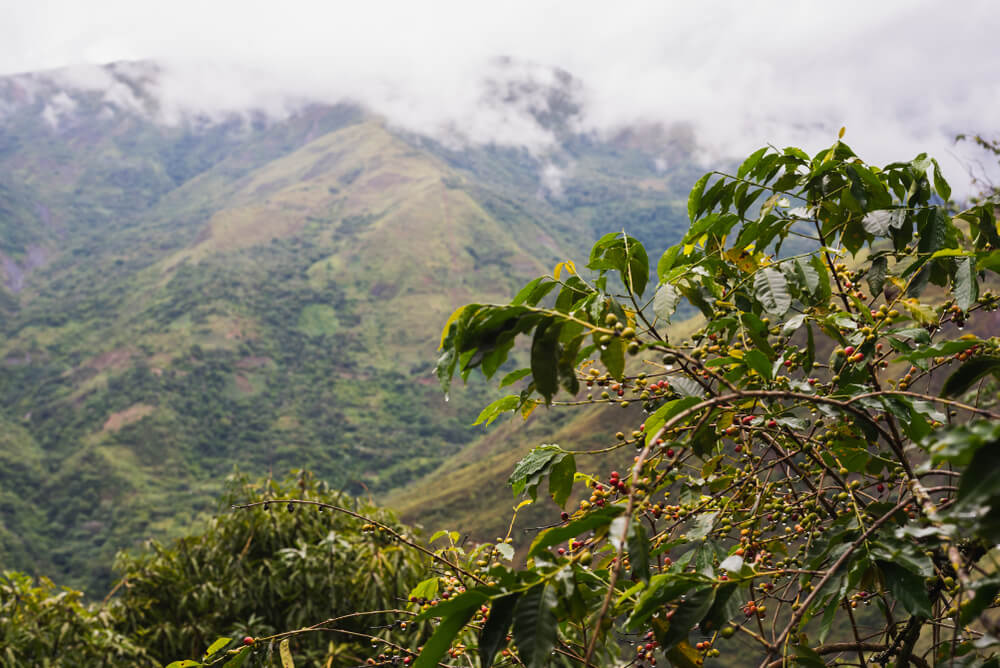
These balanced, clean profiles make Peruvian beans ideal for both espresso and filter preparations.
Why Peruvian Coffee is Top
Peru is rapidly gaining recognition as a top-tier origin in the specialty coffee world. Here’s why:
Organic Leadership: Peru is the #1 global exporter of organic coffee, with over 90,000 hectares of certified organic farmland.
Smallholder Dominance: More than 75% of the country’s 359,000 coffee farms are smallholder-operated, often organized into cooperatives.
Diverse Growing Regions: Coffee is cultivated across 380 districts in 17 regions, including Cajamarca, Amazonas, and Cusco.
Arabica Excellence: The majority of beans are Arabica, especially Typica (70%) and Caturra (20%), grown under shade for sustainability and flavor.
Award-Winning Quality: Since debuting in the Cup of Excellence (2017), Peruvian coffees have won multiple global medals, including 11 in 2023 alone.
Export Strength: In 2022, Peru’s coffee exports hit $1.236 billion, a 37.8% increase, with strong demand from the U.S., Germany, and Belgium.
Low Domestic Use, High Export: Despite its global fame, domestic consumption remains low (approximately 800 g per person per year), making Peru a key export-driven market.
These factors together make Peruvian coffee not only delicious but also ethically and environmentally aligned—an ideal product for the conscious luxury consumer.
Specialty Coffee from Peru: What It Means
Peruvian specialty coffee isn’t just about taste—it’s about ethics, sustainability, and traceability.
Certifications & Ethical Sourcing
Many Peruvian coffee farmers belong to cooperatives that are:
- Certified Organic
- Fair Trade Certified
- Rainforest Alliance members
This makes Peru the top global exporter of organic coffee, with over 90,000 hectares under certified cultivation.
Sustainable Coffee Farming Practices
Farmers often use shade-grown techniques, composting, and intercropping with bananas or avocados. These methods promote soil health, biodiversity, and long-term sustainability—core values for the rising third-wave coffee consumer.
Award-Winning Peruvian Coffee
Peruvian coffee has earned a place on the global podium through consistent recognition in top-tier competitions.
Cup of Excellence Peru Highlights
In 2017, Peru held its first Cup of Excellence. Standout:
- Juan Heredia Sánchez of Cajamarca scored 92.25, putting Peruvian beans on the specialty world map.
AVPA Paris & Other Global Competitions
In 2023, Peruvian coffees won 11 international medals in France and outperformed Colombia at AVPA Paris, securing 23 of 85 total medals.
Other accolades include:
- Best Quality Coffee (2018) at the Global Specialty Coffee Expo, awarded to Puno.
- Cajamarca’s win from the German Coffee Roasters’ Federation.

Leading Peruvian Coffee Brands
Whether you’re sipping in Lima or ordering online, Peruvian coffee brands offer exceptional quality and traceability.
Notable Exporters of Organic Coffee
- Perunor – Single-origin Geisha lots with 83+ cupping scores.
- CENFROCAFE – Cooperative in Jaén with a strong fair-trade export reputation.

Best Peruvian Coffee Roasters
- Origen Tostadores de Café
- Coffee Road
- PukuPuku
- D’Sala Caffè
These roasters emphasize farm-to-cup transparency and often roast microlots from Cajamarca and Cusco.
Best Coffee Shops in Lima & Beyond
Peru’s third-wave café scene, especially in Lima, is flourishing.
Top Cafés in Miraflores, Barranco, San Isidro
- Puku Puku Café – Ranked #20 globally; known for regional beans.
- Coffee Busters – Micro-roastery with a cult following.
- Cafe Punto – considered the best coffee shop in Lima 2024.
- Coleccionista Coffee – Blends art and espresso.
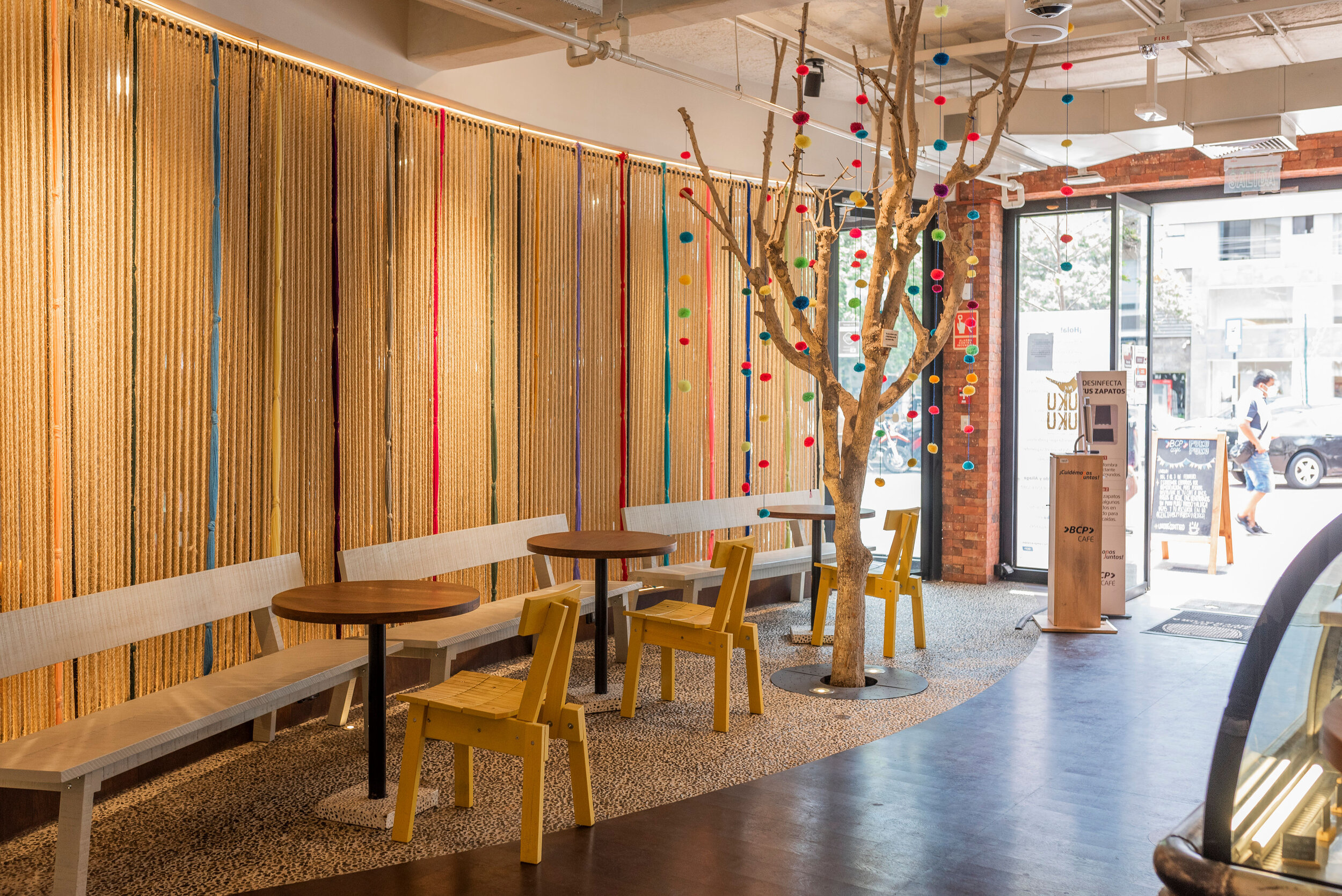
Regional Cafés in Cusco, Arequipa, etc.
- Three Monkeys Coffee (Cusco) – Renowned for design and roast quality.
- Florencia y Fortunata (Cusco) – A blend of empowerment and premium brews.
Exploring Cajamarca Coffee Beans
Cajamarca is the crown jewel of Peruvian coffee.
Cajamarca’s Rise to Fame
Thanks to its:
- Volcanic soil
- High elevation
- Skilled cooperatives
Cajamarca has produced multiple Cup of Excellence winners and continues to lead coffee awards in Peru.
Coffee Production in Peru: Statistics & Forecasts
2023–2026 Trends
- Production: Forecasted at 4.2 million 60-kg bags for 2025/26.
- Export Revenue (2023): USD 889 million.
- Top buyers: USA (27%), Germany (19%), Belgium (11%).
Peruvian Coffee Market Trends & Opportunities
- Growing demand for single-origin and organic beans
- Rising popularity of mushroom- and oat-based brews
- Surge in domestic specialty coffee consumption
Third Wave Coffee Peru Scene
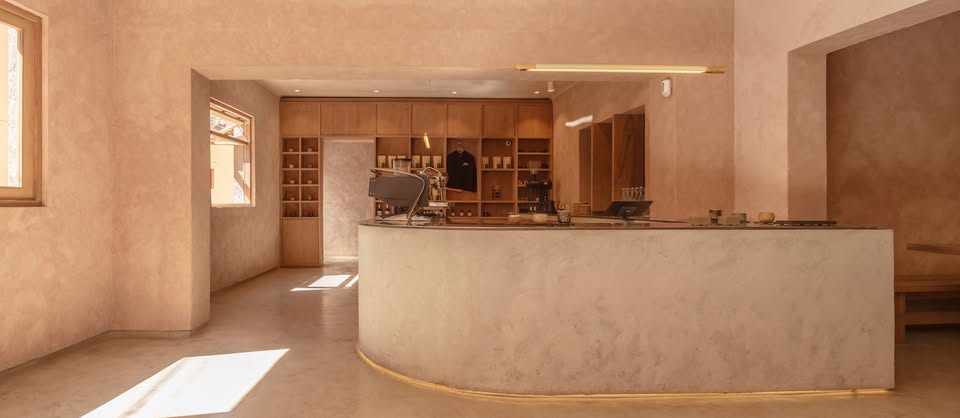
Lima’s café renaissance aligns with global third-wave values—artisan methods, aesthetic spaces, and barista artistry.
How It Differs from First & Second Wave
- Manual brewing (V60, Chemex, Aeropress)
- Barista-driven customer engagement
- Education-led cafés that champion origin stories
Fair Trade and Farm to Cup Philosophy
Transparency is key. Many Peruvian roasters now offer:
- QR codes showing producer names
- Direct-trade microlot subscriptions
- Brew guides to enhance customer connection
Strategic Insights for Coffee Entrepreneurs
For lifestyle platforms or startups, Peru presents powerful narratives.
Digital Platforms and DTC Branding
- Curated subscription boxes
- Virtual tastings with Peruvian roasters
- Story-driven Instagram reels of bean origins
Direct Trade and Microlot Storytelling
Focus on:
- Rare varietals (Geisha, Typica)
- Natural/honey-processed beans
- Empowerment-based farming projects
FAQs About Best Peruvian Coffee
1. What makes Peruvian coffee unique?
Its altitude, microclimate diversity, and organic cultivation methods create a nuanced, clean-tasting profile with floral, fruity, and nutty notes.
2. Are Peruvian coffee brands available internationally?
Yes. Brands like Perunor and CENFROCAFE export widely. You can also find Peruvian beans through global platforms and specialty roasters.
3. What is Cajamarca coffee known for?
Cajamarca produces high-elevation, award-winning beans with notes of cocoa, stone fruit, and red berries—ideal for filter and espresso drinks.
4. Where can I try the best coffee in Lima?
Top shops include Puku Puku, Coffee Busters, and Origen Tostadores—each offering ethically sourced, expertly brewed coffee in aesthetic spaces.
5. Is Peruvian coffee organic and fair trade?
Yes. Peru is the world’s leading exporter of organic coffee and has a strong cooperative structure supporting fair-trade certification.
6. How is third-wave coffee evolving in Peru?
With rising domestic demand and millennial interest, Peru’s cafés now feature manual brewing, direct trade beans, and educational coffee experiences.
Conclusion: Peru’s Place in the Coffee World

Peru is no longer a silent player—it’s a sustainable powerhouse in specialty coffee. From Cajamarca’s award-winning beans to Lima’s top-100-ranked cafés, the story of Peruvian coffee is rich, inspiring, and rapidly expanding into the global consciousness.