Elysium
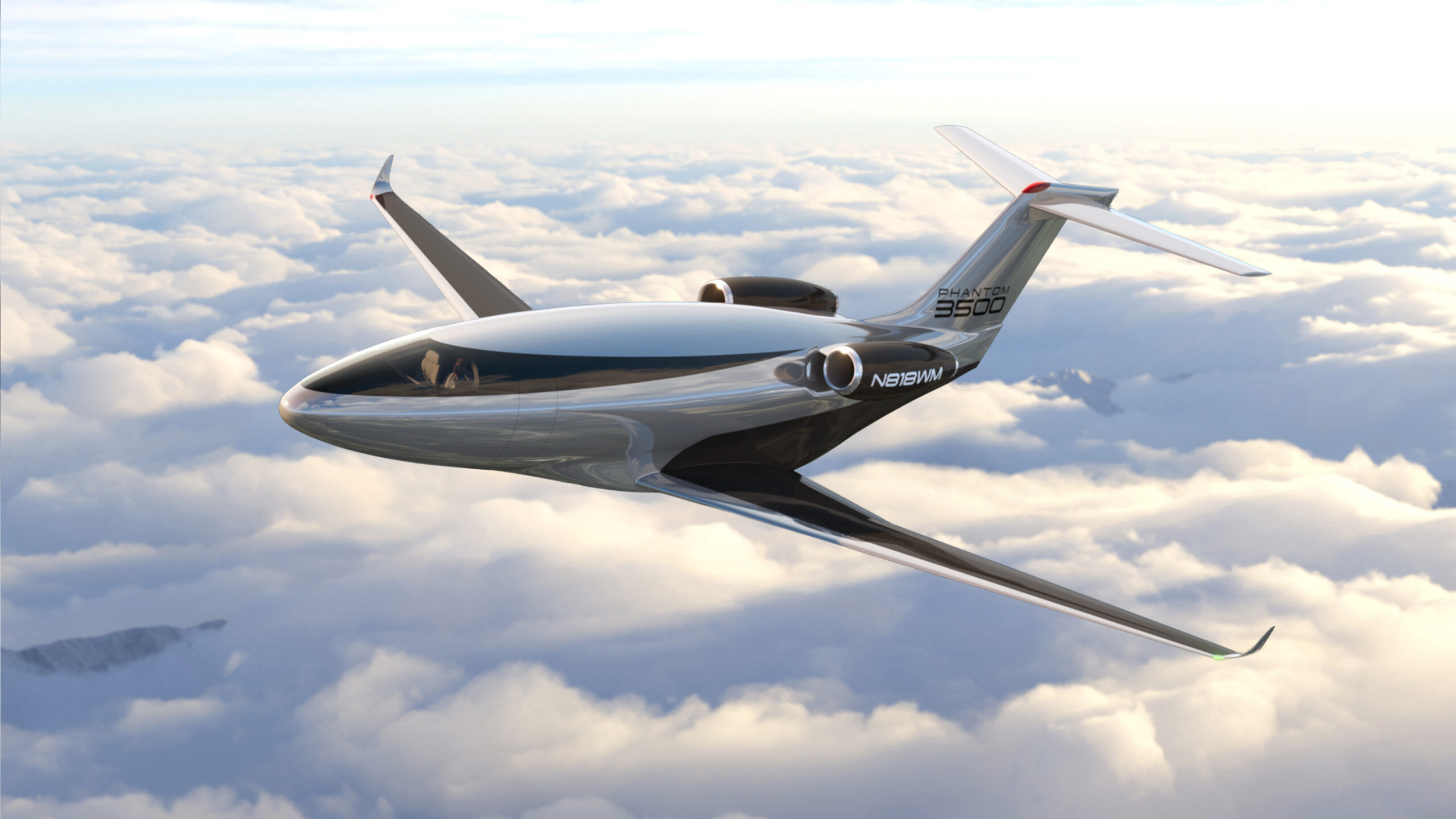
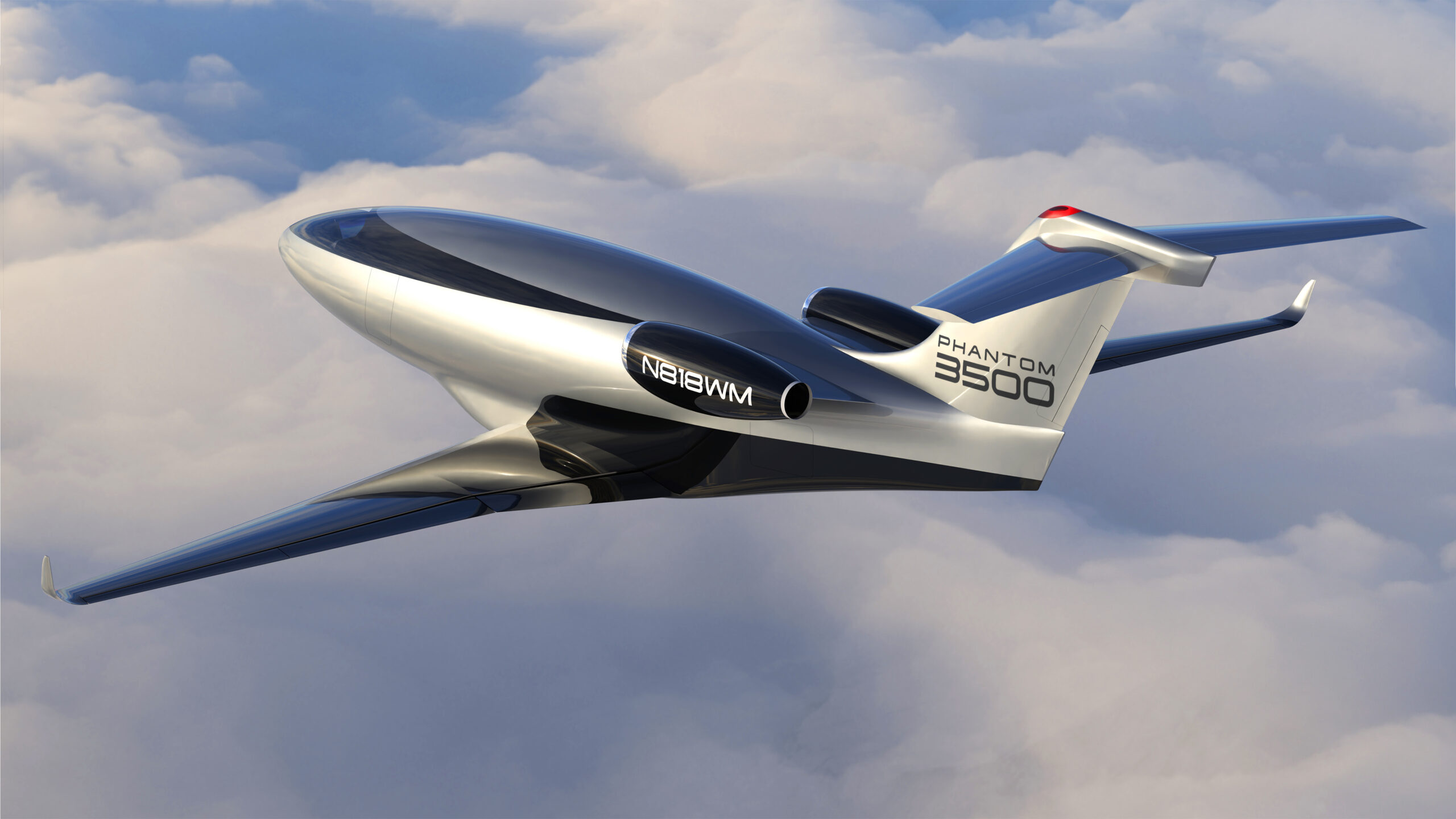
Otto Aerospace’s Phantom 3500 targets 3,500 NM range, 60% higher efficiency, and up to 50% lower operating costs—built around full laminar flow.
A new category is being built—on purpose.
Otto Aerospace Phantom 3500 is positioning as a clean-sheet business jet designed to deliver a step-change in efficiency and ownership economics. The strategy is simple: utilize full laminar flow as the core advantage to reduce drag dramatically, then leverage that to achieve longer range, lower fuel burn, lower operating costs, and an enhanced cabin experience.
Otto is headquartered in Fort Worth, Texas, and is developing the Phantom 3500 as a more efficient, affordable-to-operate, and sustainable option compared to conventional designs.
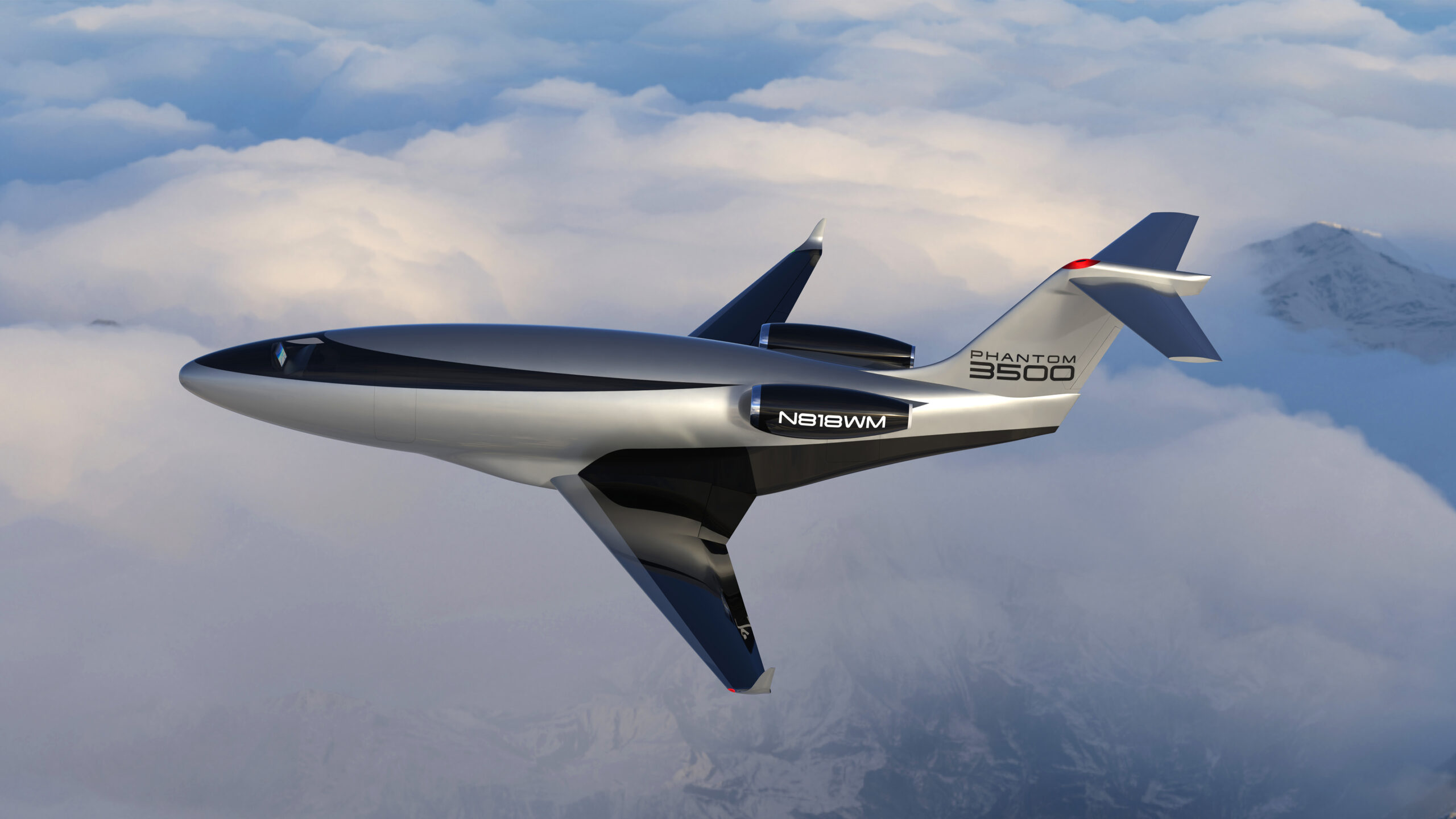
Phantom 3500 at a glance: the numbers that matter
- Max passengers: 9
- Maximum range: 3,500 NM
- NBAA 4 PAX range: 3,200 NM
- Cruise altitude: 51,000 ft
- Max operating speed: Mach 0.80
- Balanced field length: 3,450 ft
- Engines: Williams FJ44-4
- Block fuel burn: 115 GPH
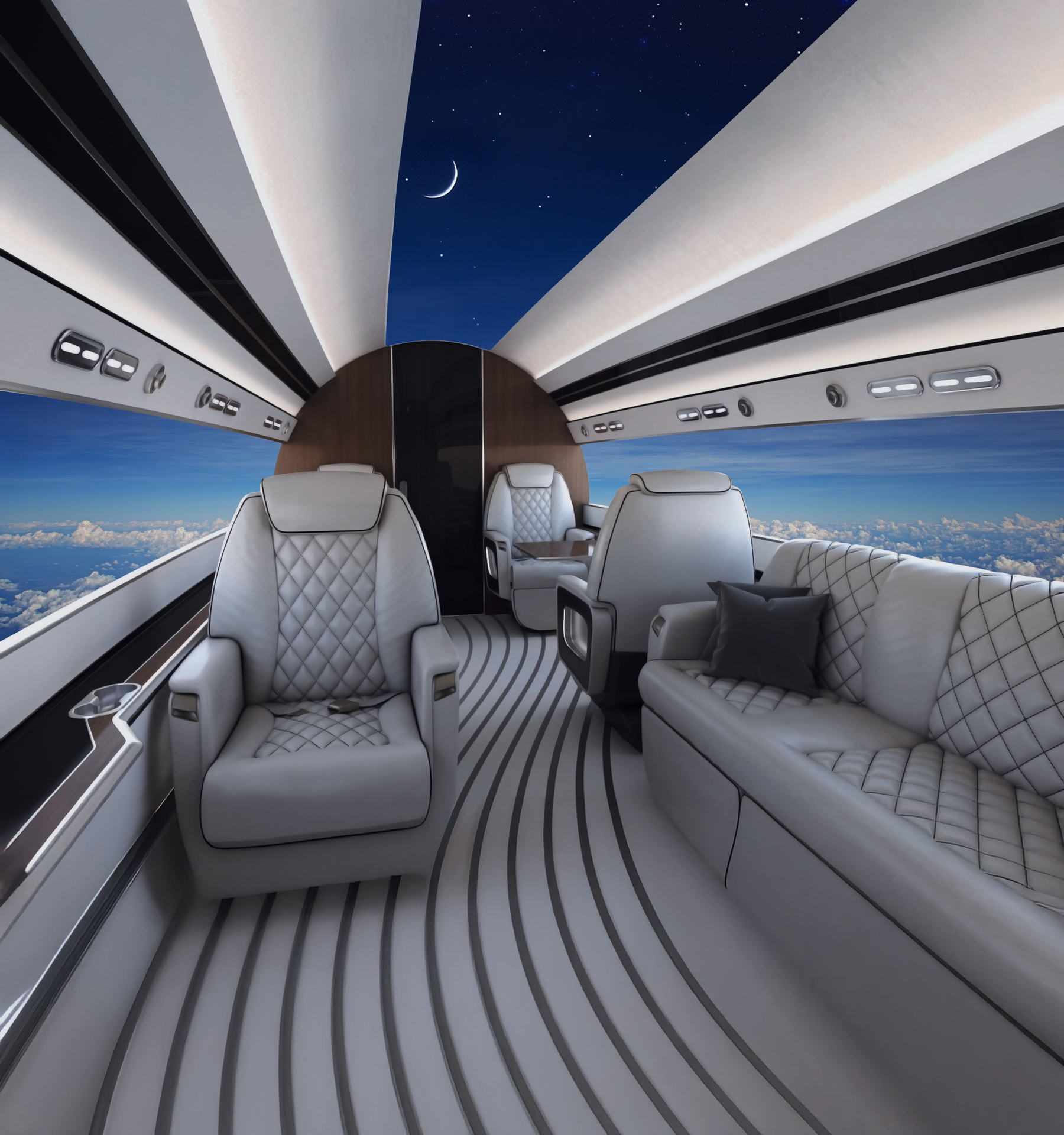
- Cabin volume: 800 cubic feet
- Cabin dimensions: 6’5” height, 22 ft length, 7’6” width
Practical takeaway: Otto is aiming for super-midsize capability with a materially different cost structure.

The core differentiator: full laminar flow
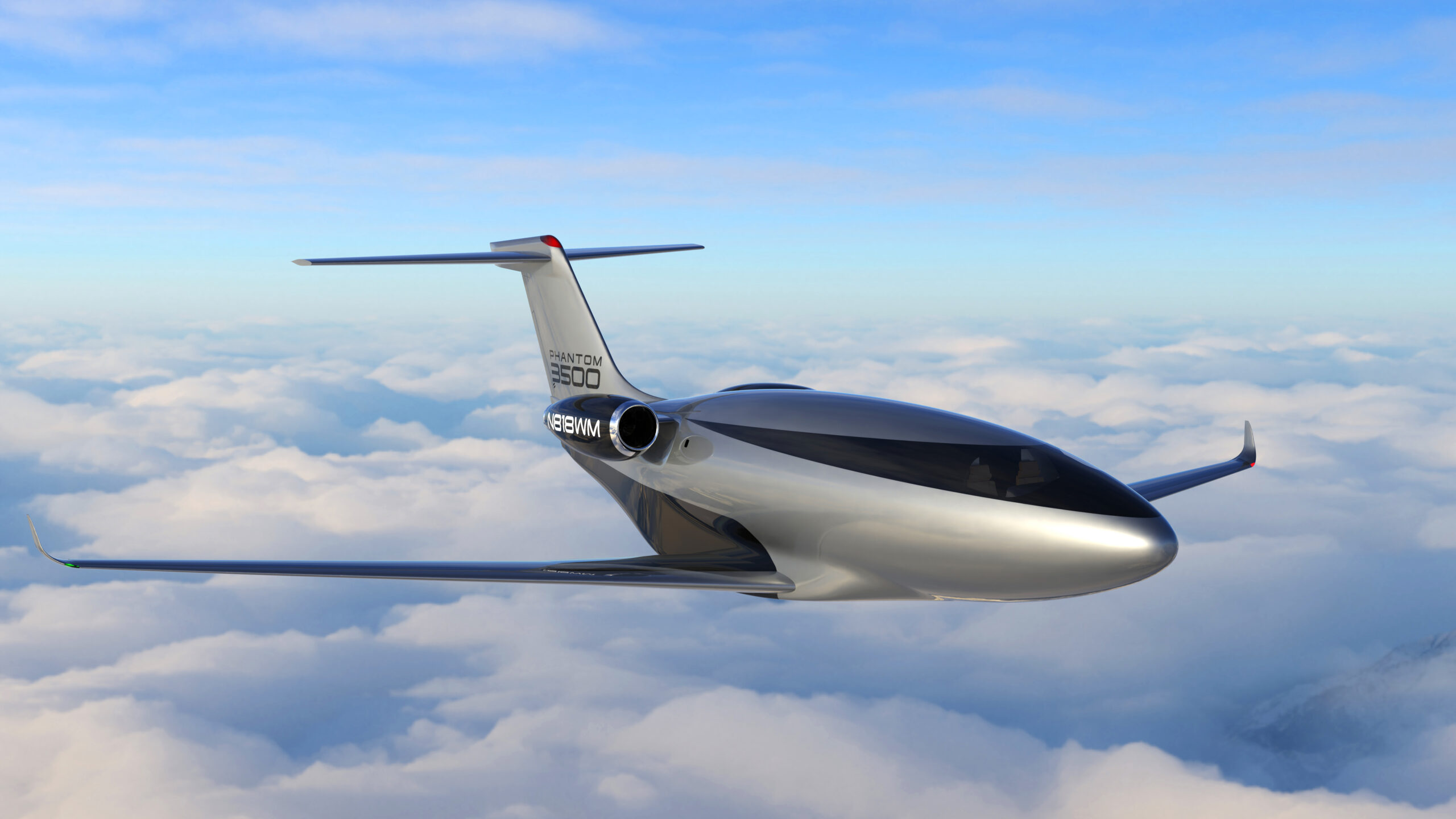
Most aircraft reduce drag through incremental refinements. Otto’s approach is to attack drag at the physics level by maintaining smooth airflow (laminar flow) over more of the aircraft surface—keeping flow from turning turbulent too early.
Otto frames this as a set of compounding “virtuous cycles,” where drag reduction triggers a chain reaction across performance and economics: smaller engine requirements, lower fuel burn, and improved total cost of ownership.
What Otto says laminar flow unlocks
- Up to 35% lower drag
- Around 60% better fuel efficiency (as positioned by Otto)
- Up to 50% lower operating costs
- Up to 90% lower carbon emissions when using sustainable aviation fuel (SAF)
Blunt reality: the sales engine here is operating economics first. Sustainability becomes a multiplier when SAF is part of the operating model.

Efficiency that turns into space and ownership math
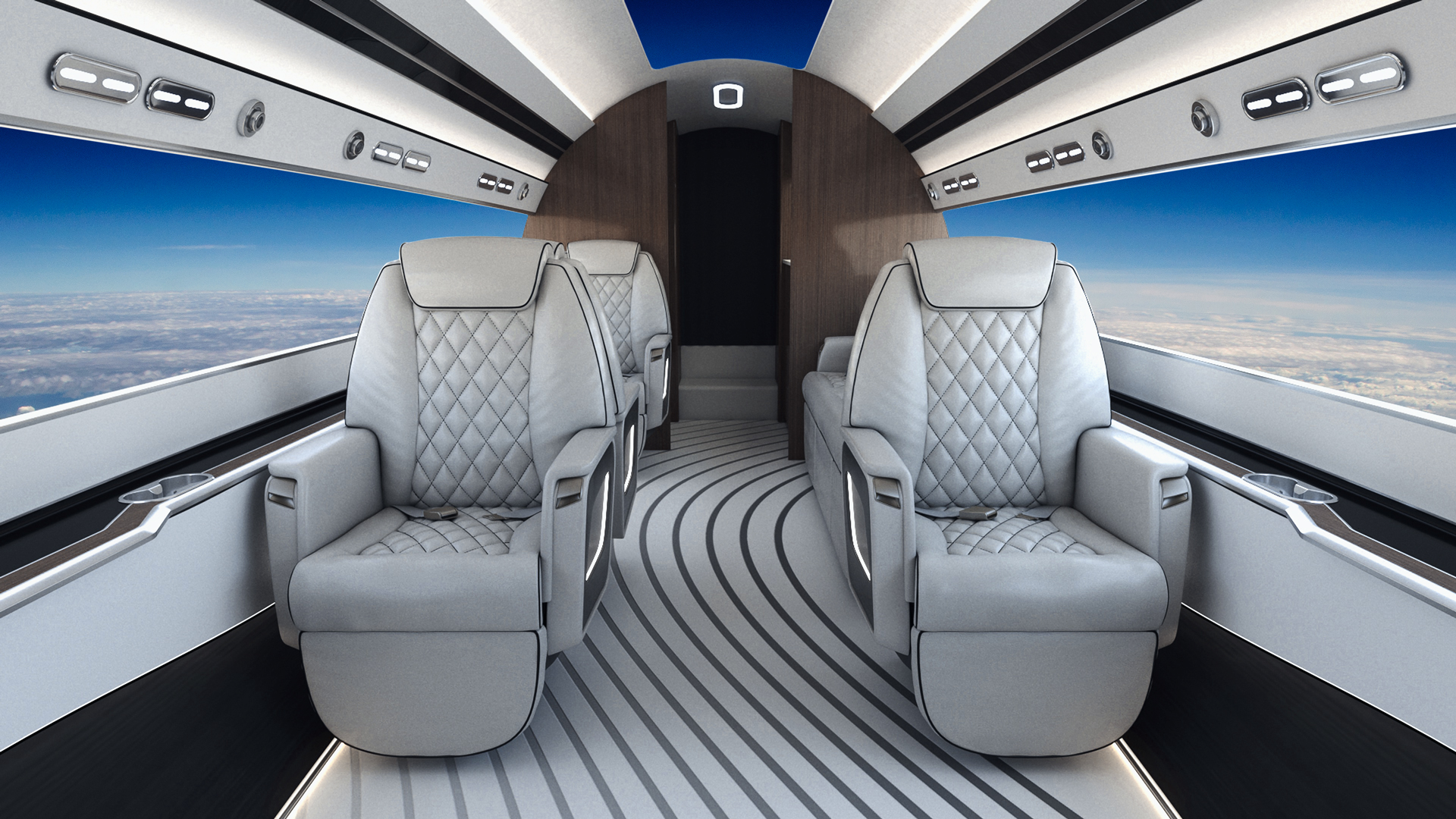
Otto ties aerodynamic efficiency to cabin value: if the aircraft requires less fuel to complete the mission, it can support a more spacious cabin without compromising range or performance.
At the same time, Otto positions the Phantom 3500 as a lower total cost-of-ownership platform by targeting significant operating cost reductions.
Manufacturing strategy: Florida scale-up at Cecil Airport
Otto is signaling industrial intent with a large manufacturing footprint at Cecil Airport in Jacksonville, Florida:
- Up to 100 acres
- 850,000-square-foot final assembly plant
- Nearly $500 million incentive package from the State of Florida
- Plans that support hundreds of manufacturing and engineering jobs
Translation: Otto isn’t just designing a sleek aircraft—it’s building the system to produce it at scale.
The “virtuous cycles” Otto keeps emphasizing
Otto describes three compounding loops: efficiency, manufacturing, and performance.
Drag reduction cycle
Lower drag enables smaller engines and reduced structural and fuel requirements, improving operating economics and emissions.
Manufacturing cycle
Design simplification aims to reduce part counts, labor hours, cycle times, defects, and materials—improving scalability and margins.
Performance cycle
Laminar-flow efficiency is positioned to improve mission economics, including range and cruise efficiency narratives tied to high-altitude operations.

Passenger experience: Super Natural Vision
Otto introduces a distinct cabin concept: Super Natural Vision, replacing traditional rear cabin windows with high-definition digital displays showing real-time external views. The idea is to offer a panoramic experience without the aerodynamic and structural compromises of physical windows.
Leadership: credibility anchored in aviation and enterprise execution
Otto highlights leadership with deep credibility across aviation, operations, and scaling:

- Paul Touw (CEO & Director): engineer and private pilot; founder of XOJET; co-founder of Ariba; experience in strategy roles

- Scott Drennan (President & COO): decades across aerospace/defense; leadership roles at major aviation organizations; strong regulatory and engineering background.
This combination matters for confidence: technical depth plus execution at scale.
Phantom 3500 specs summary table
| Category | Phantom 3500 (Otto stated) |
| Range | 3,500 NM |
| Passengers | Up to 9 |
| Cruise altitude | 51,000 ft |
| Max operating speed | Mach 0.80 |
| Balanced field length | 3,450 ft |
| Cabin volume | 800 cu ft |
| Engines | Williams FJ44-4 |
| Block fuel burn | 115 GPH |

FAQ
What is Otto Aerospace building?
Otto Aerospace is developing the Phantom 3500, a clean-sheet business jet designed to create a new category focused on high efficiency and lower operating costs.
What makes the Phantom 3500 different from other business jets?
The key differentiator is full laminar flow, designed to reduce drag significantly and drive compounding gains in efficiency, manufacturing simplicity, and performance economics.
How efficient is the Otto Aerospace Phantom 3500 expected to be?
Otto positions the Phantom 3500 as around 60% more fuel efficient than existing business jets, with up to 90% lower carbon emissions when using SAF.
Where will Otto manufacture the aircraft?
Otto is establishing a major facility at Cecil Airport in Jacksonville, Florida, including an 850,000-square-foot final assembly plant on a large site footprint.
What is Super Natural Vision?
A cabin concept that replaces rear cabin windows with high-definition digital displays providing real-time external views, aiming to enhance passenger experience while protecting aerodynamics.
Otto Aerospace Phantom 3500
Otto Aerospace is making a high-conviction bet: if it can industrialize laminar flow in a production business jet, the reward is not just better efficiency—it’s a new ownership equation defined by lower fuel burn, lower costs, and a stronger sustainability profile when SAF is used.